Single Wall Oven Buying Guide: What Actually Matters Before You Buy
Choosing a single wall oven comes down to four things: the cutout dimensions in your wall or cabinet, the fuel type your kitchen supports (electric or gas), the cavity capacity you need in cubic feet, and whether convection heating is worth it for the way you cook. Most home kitchens fit a 24- or 30-inch electric model with convection, which covers the widest range of everyday cooking without any gas line requirement.

Start With the Cutout: Width Is Non-Negotiable
Single wall ovens are built-in appliances, meaning they slot into a cabinet opening or a dedicated wall cavity. The two most common widths in the US are 24 inches and 30 inches, and you must match the cutout your kitchen already has. A 30-inch oven will not fit in a 24-inch opening, and a 24-inch oven in a 30-inch opening looks wrong and may not mount securely. Before browsing, measure the width, height, and depth of your existing opening, then compare against each model's listed dimensions. The Empava 24-inch Electric Convection (ASIN B0785ZKJSG), for example, has an overall width of 23.43 inches and a depth of 23.43 inches, those numbers need to clear your cabinet by a small margin, not fit snugly with zero room. Always check the manufacturer's cutout spec, not just the unit's outside dimensions.
Electric vs. Gas: Match What Your Kitchen Has
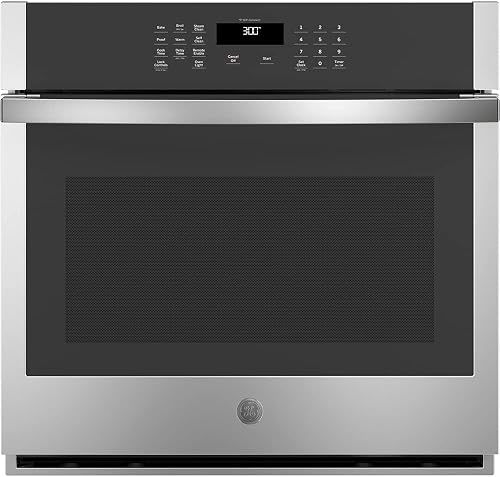
Electric single wall ovens are far more common and work with a standard 240-volt outlet, which most homes that previously had a wall oven already have wired. Gas wall ovens require an existing gas line behind the wall, running a new one adds cost and permits. Liquefied petroleum gas (LPG or propane) models are an option for homes off the natural gas grid, but they need a propane supply and correct conversion. If your kitchen does not already have a gas hookup at the oven location, electric is the practical choice. Electric convection models like the GE JTS3000SNSS (ASIN B07QGF4RBD) at 2,850 watts and 240 volts illustrate the typical power draw for a full-size 30-inch unit.
Capacity: How Many Cubic Feet Do You Actually Need
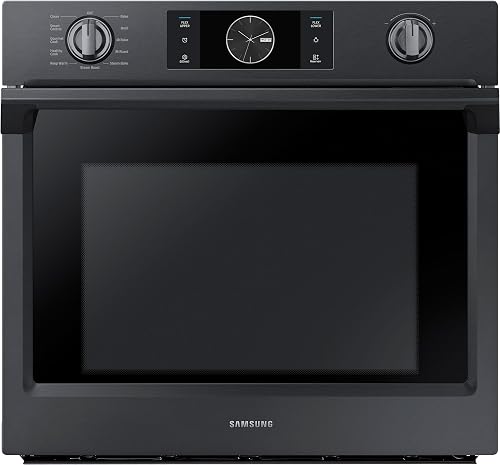
Single wall oven capacity typically ranges from about 2.3 cubic feet on compact 24-inch models up to 5.1 cubic feet on wider 30-inch units. A 2.3 cu ft oven fits a standard 9x13 baking dish and a 12-inch pizza, which covers most weeknight cooking. If you regularly roast large cuts, bake multiple sheet pans at once, or cook for a big family, a 5.0 cu ft cavity like the GE JTS3000SNSS or the Samsung electric model (ASIN B01MQPMI5J, 5.1 cu ft) makes a real difference. Capacity is directly tied to width: 24-inch models top out around 2.5 cu ft, and the roomier capacities only appear in 27- and 30-inch units. Do not let marketing language distract you, compare the cubic feet number, not brand claims about spaciousness.
Convection vs. Conventional: When the Fan Earns Its Keep
Convection means a fan circulates hot air around the food, which produces more even browning, faster cook times, and better results for roasting and baking. Conventional ovens heat from stationary elements at top and bottom, which works fine for most dishes but can leave hot spots. Most modern single wall ovens in this price range ship with convection as standard, the Empava 24-inch (B0785ZKJSG) is a convection model at 3,200 watts. If a model lists its heating method as radiant-only, that is the conventional setup. For serious bakers or anyone who roasts frequently, convection is worth prioritizing. The practical difference is most noticeable on multi-rack baking, where even airflow prevents the bottom rack from burning while the top rack undercooks.
Installation Type: Built-In vs. Freestanding Wall Units
Most single wall ovens are built-in units that trim flush with surrounding cabinetry, this is the standard look for a remodel or replacement. A smaller number are freestanding units designed to sit on the floor or on a pedestal. Built-in installation requires the cabinet opening to match the oven's cutout requirements and usually needs a licensed electrician or plumber to connect the appliance. Freestanding models like the Summit Appliance TTM7882BKW (ASIN B01LYTDNYN) offer flexibility for kitchens without an existing wall oven cavity, though they have a more utilitarian appearance. Always confirm whether the unit ships as wall-mount, built-in, or above a warming drawer, since each has different rough-in requirements.
What to Skip: Features That Add Cost Without Adding Much
Smart connectivity is available on higher-end wall ovens and lets you preheat or monitor the oven from your phone. It sounds useful, but most buyers with these models rarely use the app after the first week. In the sub-$1,000 segment, most models are not smart-home compatible at all, which is fine for the majority of home cooks. Air fry modes, steam assist, and sabbath mode are worth paying for only if they match specific habits you already have. What does matter: the number of oven racks included (more is better for flexible positioning), a bright interior light, and a self-clean cycle if you bake frequently and want to avoid scrubbing. Prioritize the basics, size, fuel type, capacity, convection, and treat extras as bonuses.
Common mistakes to avoid
- Ordering based on outside dimensions instead of the manufacturer's required cutout dimensions, these are different numbers.
- Assuming any 30-inch oven replaces any other 30-inch oven without checking height and depth requirements.
- Buying a gas wall oven when no gas line exists at the installation location.
- Choosing a 24-inch model expecting full-size capacity, compact units top out around 2.5 cubic feet.
- Overlooking voltage requirements: most electric wall ovens need a 240-volt circuit, not a standard 120-volt outlet.
- Confusing 'convection' with a specific feature tier, many budget models include convection, so do not overpay assuming it is a premium-only option.
Frequently asked questions
What size single wall oven fits a standard cabinet opening?
The two most common cutout widths in US kitchens are 24 inches and 30 inches. Most older homes with a wall oven already have one of these openings. Measure your existing cutout width, height, and depth before shopping, and then compare those numbers to the manufacturer's cutout spec for any model you consider, not the oven's outside dimensions, which are slightly larger.
Is a convection wall oven worth the extra cost?
In most cases, yes. Convection circulates hot air with a fan, which reduces cook times, browns food more evenly, and is especially useful when baking on multiple racks at once. The good news is that convection is now standard on a wide range of electric single wall ovens at all price points, so you often do not pay a significant premium for it compared to conventional-only models.
Can I replace a gas wall oven with an electric one?
Yes, but you need to confirm that a 240-volt electrical circuit exists at the oven location, or budget for an electrician to run one. You will also need to cap off the gas line safely, which requires a licensed plumber or gas technician. The reverse, replacing electric with gas, also requires an existing gas line or the cost of running one, which can be substantial.
How much capacity do I need in a single wall oven?
For one to four people cooking everyday meals, a 2.3 to 2.5 cubic foot oven handles most tasks without issue. If you bake large batches, roast whole birds, or regularly cook for a large family, look for 4.5 cubic feet or more, which typically means a 30-inch model. Capacity is fixed by the oven's physical size, so it pays to think about your biggest typical cooking task before deciding on a width.
What is the difference between built-in and freestanding single wall ovens?
Built-in wall ovens are designed to slide into a cabinet cutout and trim flush with the surrounding cabinetry for a finished look, this is the standard installation for a kitchen remodel or replacement. Freestanding wall oven units are self-supporting and do not require a dedicated cabinet opening, making them more flexible but less visually integrated. If you are replacing an existing wall oven, built-in is almost always the correct choice.