Wall Oven vs Range: How to Choose the Right Cooking Appliance for Your Kitchen
A wall oven is a built-in unit mounted at counter height or above, with no cooktop attached, while a range combines an oven and cooktop in one freestanding unit. Wall ovens make the most sense when you want ergonomic access, plan to pair the oven with a separate gas or induction cooktop, or are redesigning a kitchen from scratch. Ranges are the right call when budget, simplicity, or a standard kitchen layout is the priority.

How Kitchen Space and Layout Drive the Decision
Ranges occupy a single 30-inch (or 36-inch) cutout and need only one set of utility connections, which makes them the default for kitchens built in the last 50 years. Wall ovens require a dedicated cabinet cutout, a separate cooktop cut into the counter, and two separate electrical or gas hookups. If your kitchen already has a range opening and you're not remodeling, swapping to a wall oven setup means significant carpentry and electrical work. On the other hand, if you're doing a full kitchen gut, a wall oven lets you use every inch of base-cabinet space below the cooktop for drawers or storage instead of oven cavity. Placement flexibility also matters: many homeowners put a wall oven in an island or a tall cabinet run, which is simply not possible with a freestanding range.
Oven Capacity: What the Numbers Actually Mean
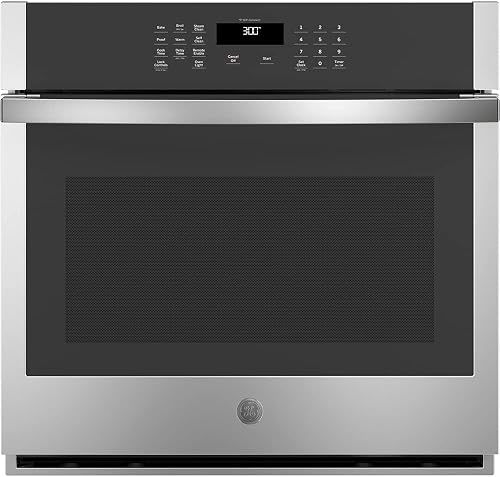
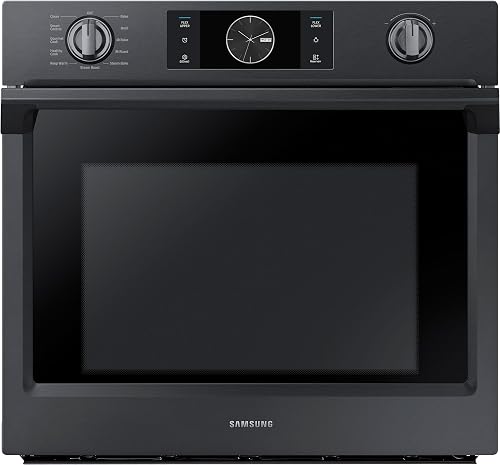
Standard 30-inch ranges typically offer between 4.8 and 6.0 cubic feet of oven space, and that cavity often feels larger because it sits close to the floor where you can slide in big roasting pans. Single wall ovens, especially the popular 24-inch built-in models, more commonly land in the 2.3 to 2.6 cubic foot range. The Samsung electric convection wall oven (B01MQPMI5J) reaches 5.1 cubic feet at a 28.5-inch width, and the GE JTS3000SNSS delivers 5.0 cubic feet in a 30-inch frame at $1,088, showing that 30-inch wall ovens can match range capacity. If you routinely bake multiple sheet pans at once or roast large cuts of meat, verify the actual cubic footage rather than assuming a range automatically wins on space. For small households or kitchens with a compact footprint, a 24-inch electric wall oven like the Empava (B0785ZKJSG) with 2.3 cubic feet and convection heating at $599.99 is often more than sufficient.
Installation Cost and the Fuel Type Question
A range swap is usually a one-afternoon job: pull out the old unit, slide in the new one, reconnect the same gas line or 240-volt outlet, done. A wall oven installation is a different project. Even a direct replacement in an existing wall-oven cabinet requires confirming cutout dimensions to the quarter inch, and a first-time installation means hiring a cabinet maker in addition to an electrician or gas plumber. Electric wall ovens running on 240 volts (most models in this category) are the most common, but gas wall ovens do exist for kitchens with natural gas service and no desire to cook on electric. Dual-fuel setups, a gas cooktop paired with an electric wall oven, are popular with serious cooks because gas burners give instant heat control while electric convection bakes and roasts more evenly. Budget $200 to $500 for professional installation of a replacement wall oven, and more if carpentry or new wiring is involved.
Ergonomics and Daily Cooking Comfort
This is where wall ovens have a clear, practical advantage that often surprises people who haven't used one. A range oven sits at floor level, which means bending down to check a roast, sliding heavy Dutch ovens in and out at shin height, and crouching to rotate sheet pans. Wall ovens mount at or near counter height, putting the oven window and racks roughly at eye level. For anyone with back pain, limited mobility, or who simply does a lot of baking, that difference becomes obvious after the first week of use. Ranges, however, keep all your cooking tools on one appliance at one location, which some cooks prefer for workflow, especially in smaller kitchens where moving between a separate cooktop and a wall oven adds steps.
Price Comparison: Upfront Cost vs Total Project Cost
On sticker price alone, ranges span a wide range from under $600 to over $3,000, while single wall ovens start around $300 for basic built-in electric models and climb past $2,000 for 30-inch convection units from major brands. The comparison shifts when you add a separate cooktop: a decent 30-inch electric or induction cooktop runs $400 to $1,200 on its own, so the total wall-oven-plus-cooktop project routinely costs $1,500 to $4,000 before installation. Ranges win on total upfront spend for most budgets. The counterargument is that you get to choose a cooktop with the burner count, fuel type, and BTU output that actually matches how you cook, rather than accepting whatever cooktop the range manufacturer bundled in.
Who Should Choose a Wall Oven
A wall oven makes the most practical sense in three situations. First, if you are remodeling a kitchen and have the flexibility to plan cabinet layout from scratch, the ergonomic and storage benefits are real and lasting. Second, if you want a gas or induction cooktop but prefer electric convection baking, a separate wall oven is the only way to get that combination. Third, if cooking volume means you need two ovens, a wall oven stacked above a second wall oven or a microwave-oven combo, that configuration is simply not possible with a standard range. For most cooks replacing an existing range in an unmodified kitchen with a standard budget, the range remains the simpler and more cost-effective choice.
Common mistakes to avoid
- Assuming a 24-inch wall oven will fit in a standard range cutout, the cabinet opening dimensions are completely different.
- Buying a wall oven without measuring the exact cabinet cutout depth, not just the width; a unit even one inch too deep won't fit flush.
- Forgetting to budget for a separate cooktop when pricing a wall oven, the total project cost is often double what the oven sticker says.
- Choosing a gas wall oven without confirming a gas line runs to that wall location, running new gas lines adds significant cost and permitting.
- Picking a 30-inch wall oven to match range capacity without checking whether your existing wall cabinet opening can accommodate that size.
- Overlooking the electrical requirement: most electric wall ovens need a dedicated 240-volt, 30-amp circuit, which older kitchens may not have.
Frequently asked questions
Does a wall oven cost more than a range overall?
A wall oven on its own can cost less than a comparable range, but you need to add a separate cooktop to have a complete cooking setup. That combined purchase typically runs $500 to $2,000 more than an equivalent range, before installation. If your kitchen already has a cooktop in place, a wall oven replacement can be a straightforward cost-comparable swap.
Can I replace my range with a wall oven without major renovation?
Generally, no. A range and a wall oven use completely different cabinet cutouts and utility hookup locations. Switching from a range to a wall-oven-plus-cooktop setup usually requires new cabinetry, a different electrical configuration, and potentially moving a gas line. It is a kitchen remodel, not a simple appliance swap.
Are wall ovens available in gas or is electric the only option?
Gas wall ovens do exist and are sold by brands like Empava and GASLAND, typically in 24-inch widths with convection heating. However, electric wall ovens are far more common and give you more model choices across more price points. If consistent baking temperature is the goal, electric convection is generally the more even-heating option regardless of fuel type.
What is the typical capacity of a single wall oven?
Most 24-inch single wall ovens land between 2.3 and 2.6 cubic feet. Stepping up to a 30-inch model, like the GE JTS3000SNSS, gets you closer to 5.0 cubic feet, which is comparable to a standard range oven. Capacity varies meaningfully by brand and model, so always check the spec sheet rather than assuming size from the exterior width.
Is a wall oven better for baking than a range oven?
A wall oven is not inherently a better baker than a range oven of the same quality, but the ergonomics make it easier to monitor and rotate items without bending. Convection is the feature that makes the most difference for baking: the fan circulates hot air for more even browning and faster cook times. Both wall ovens and ranges are available with convection heating, so look for that feature specifically rather than assuming the appliance type determines baking performance.