Over-the-Range Microwave vs Range Hood: What Works Best for Your Kitchen
An over-the-range microwave combines a microwave oven with a built-in ventilation fan, saving counter and cabinet space in one unit. A dedicated range hood does only one job but does it better, moving significantly more air and filtering grease more thoroughly. If ventilation is your priority, a standalone range hood wins; if you need a microwave and want to free up counter space, an over-the-range microwave is a practical compromise.

What an Over-the-Range Microwave Actually Does for Ventilation
Over-the-range microwaves mount above your cooktop and include a fan and grease filter built into the bottom of the unit. Most run in either recirculating (ductless) mode, which filters air through a charcoal pad and returns it to the kitchen, or ducted mode, which vents air outside through a duct in the wall or ceiling. The fan ratings on OTR microwaves are typically modest compared to dedicated hoods. For light everyday cooking on electric or induction burners, that airflow is often sufficient to handle steam and mild odors. Where OTR units fall short is high-heat cooking on a gas range, deep frying, or anything that generates heavy grease-laden smoke, because the fan simply cannot move enough air fast enough to keep up.
How a Dedicated Range Hood Compares
A standalone range hood mounts directly to the wall or ceiling above the cooktop and is designed entirely around moving air. Ducted range hoods exhaust air outside the home, which is the most effective way to remove smoke, steam, grease particles, and combustion byproducts from gas cooking. Because the blower is sized purely for ventilation rather than shared with a microwave cavity, ducted hoods routinely move far more CFM than an OTR unit at comparable price points. Ductless range hoods use charcoal filters and recirculate, which works for light cooking but does not remove moisture or combustion gases. The trade-off with a dedicated range hood is that you lose the microwave entirely, so you will need counter space or a separate built-in microwave elsewhere in the kitchen.
Space and Installation: The Case for an OTR Microwave
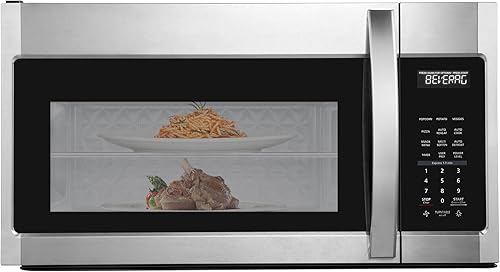
The single biggest reason home cooks choose an over-the-range microwave is space efficiency. Mounting the microwave above the range eliminates the need for a separate counter microwave and keeps your upper cabinets clear. Most OTR units fit a standard 30-inch wide opening, and many include mounting hardware that fits on existing cabinet soffits without major renovation. The Frigidaire FFMV1846VS, for example, is a 1.8 cubic foot electric model at around $349 that fits a standard 30-inch opening and is bought by nearly 1,900 households a month, making it one of the more popular practical choices in this format. If your kitchen was originally designed with an OTR footprint, swapping in a dedicated hood would require adding duct work or cabinet modifications, which adds cost and complexity beyond the appliance itself.
Cooking Style Should Drive the Decision
The right choice depends more on how you cook than on budget alone. If your household does mostly quick weeknight meals, reheating, and light stovetop work, an over-the-range microwave handles ventilation adequately and the convection heating found in models like the BLACK+DECKER EM044KB19 (1.9 cu ft, convection, $342.99, rated 4.4 stars across over 12,000 reviews) adds useful oven flexibility. If you regularly cook at high heat, use a gas range, fry foods, or want to clear cooking odors quickly, a dedicated ducted range hood is worth prioritizing even at the cost of counter space. Gas cooking produces combustion byproducts that recirculating filters cannot remove, so if you have a gas range, a ducted solution is the better long-term choice for air quality.
Ductless Recirculating Mode: When It Works and When It Does Not
Many over-the-range microwaves ship configured for ductless recirculating ventilation because it requires no duct work, making installation straightforward in apartments and older kitchens. Charcoal filters capture some odors but do not remove moisture, which can contribute to condensation buildup over time. Recirculating mode is reasonable for electric or induction cooktops with moderate use. For gas ranges or heavy cooking, recirculating ventilation is a noticeable step down in effectiveness, and you will notice smells and steam lingering longer in the kitchen. If you are buying an OTR microwave specifically for its ventilation and cannot run a duct, manage expectations accordingly and plan to replace charcoal filters on schedule, typically every six to twelve months depending on cooking frequency.
Which Option to Choose: A Practical Summary
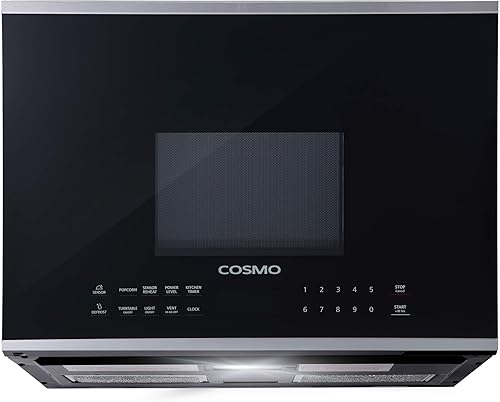
Choose an over-the-range microwave if: you need a microwave and want to reclaim counter space, your kitchen already has the OTR cabinet configuration, or you have an electric or induction cooktop and cook at moderate intensity. A well-reviewed option for this use case is the COSMO COS-2413ORM1SS, a 1.34 cubic foot, 1000-watt unit at around $309 that fits 24-inch-wide spaces and carries a 4.4-star rating from nearly 500 reviewers, with over 2,400 units bought per month. Choose a dedicated range hood if: you have a gas range, cook frequently at high heat, fry foods often, or prioritize air quality and faster smoke clearance over microwave convenience. In kitchens with ample counter space or a built-in microwave elsewhere, a range hood will simply outperform any OTR unit at removing airborne grease and steam.
Common mistakes to avoid
- Buying an OTR microwave with ductless recirculating mode for a gas range and expecting it to handle heavy smoke and grease effectively.
- Assuming a higher wattage microwave means better ventilation, cooking power and fan airflow are completely separate specs.
- Choosing an OTR microwave based on microwave capacity alone without checking whether the fan speed and filter type match your cooking habits.
- Skipping duct installation because it seems complicated, then living with inadequate ventilation for years, ducting is a one-time cost that pays off with every high-heat cook.
- Installing an OTR microwave at the wrong mounting height, which reduces ventilation effectiveness and can create a clearance hazard above the cooktop.
- Neglecting to replace or clean the grease filter on an OTR microwave, which significantly reduces airflow and becomes a fire risk over time.
Frequently asked questions
Can an over-the-range microwave fully replace a range hood?
For light to moderate electric or induction cooking, an OTR microwave handles ventilation well enough for most households. For gas ranges or high-heat cooking, a dedicated ducted range hood moves significantly more air and removes combustion byproducts that a microwave fan cannot. Whether an OTR unit is a full replacement depends on what and how often you cook, not just the appliance specs.
Is a ducted over-the-range microwave significantly better than ductless?
Yes, ducted mode moves contaminated air outside the home, which removes moisture, odors, and grease particles permanently. Ductless recirculating mode filters the air and returns it to the kitchen, which handles some odors but does not address moisture or combustion gases. If you can run a duct, ducted is the better long-term choice for air quality. Ductless works acceptably for light cooking where running a duct is not practical.
What size over-the-range microwave do I need?
Most OTR microwaves are sized to fit 30-inch wide cabinet openings, which is the standard in most kitchens. Capacity measured in cubic feet affects how large a dish you can fit inside: 1.5 to 1.9 cubic feet covers most household needs. Models like the Frigidaire FFMV1846VS at 1.8 cubic feet and the BLACK+DECKER EM044KB19 at 1.9 cubic feet are popular because they fit standard openings while offering room for full-size dinner plates. If your space is narrower, look for 24-inch wide models such as the COSMO COS-2413ORM1SS at 23.8 inches wide.
Do over-the-range microwaves work with gas ranges?
They are compatible with gas ranges in the sense that they mount above them without issue. The concern is ventilation performance: OTR microwaves typically move less air than a dedicated range hood, and gas cooking produces combustion byproducts including carbon monoxide and nitrogen dioxide that recirculating filters cannot remove. If you have a gas range and cook regularly, a dedicated ducted range hood is the better choice for indoor air quality.
How often should I clean or replace the grease filter on an OTR microwave?
Grease filters on over-the-range microwaves should be cleaned monthly if you cook regularly and replaced when they become saturated or damaged. Most grease filters are aluminum mesh and are dishwasher safe, making cleaning straightforward. Charcoal filters used in ductless recirculating mode are not washable and should be replaced every six to twelve months depending on how often you cook. A clogged filter reduces airflow noticeably and can become a fire hazard, so it is one of the most important maintenance items on these appliances.