Can You Use Cast Iron on a Glass Cooktop? Here's What You Need to Know
Cast iron and glass cooktops can coexist, if you follow a few simple rules.
Cast iron is one of the most beloved pieces of cookware in American kitchens, and glass cooktops are increasingly common because they look sleek and wipe down easily. The question is whether the two can get along. The short answer is yes, you can use cast iron on a glass cooktop, but there are real risks you should understand before you put that skillet down. A little care goes a long way toward keeping your cooktop scratch-free and intact for years.


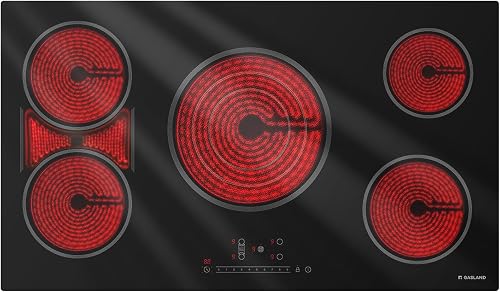
Why Glass Cooktops and Cast Iron Are a Tricky Combination
Glass and ceramic cooktops have a smooth surface that looks great but is more vulnerable than it appears. Cast iron pans are extremely heavy and have a rough, sometimes uneven bottom that can act like sandpaper against that glossy surface. The two main risks are scratching the glass from sliding or dragging the pan, and cracking the glass from thermal shock or from dropping a heavy pan. Neither risk is a dealbreaker, but both are worth taking seriously. Understanding the specific hazards makes it easier to cook with cast iron confidently without worrying every time you turn on the burner.
The Right Way to Set a Cast Iron Pan on a Glass Cooktop
Always lift the pan rather than sliding it across the surface. This single habit eliminates the most common cause of scratches. When you place the pan down, set it gently and straight without dragging or rocking it. Check the bottom of your cast iron periodically, if it has rough burrs or a heavily pitted surface, consider seasoning it regularly to build up a smoother layer, or lightly sanding any sharp raised spots with fine-grit sandpaper. Pre-seasoned pans from the factory can sometimes have a rougher finish than pans you have seasoned yourself over years of use.
Avoiding Thermal Shock and Surface Cracking
Thermal shock happens when a very cold object meets a very hot surface, or vice versa, and causes rapid uneven expansion that can crack glass. Never place a cold or frozen cast iron pan on a hot glass cooktop burner and crank the heat immediately. Start the burner on low and let the cast iron warm up gradually alongside the surface. Similarly, after cooking, do not set a blazing-hot cast iron pan down on a cool section of the cooktop or on a glass surface that has already cooled, the stress from the temperature difference can cause cracking even in high-quality cooktops.
Watch the Weight, Especially with Dutch Ovens
A 12-inch cast iron skillet can weigh 8 pounds or more, and a full cast iron Dutch oven with a lid and several quarts of stew inside can easily exceed 20 pounds. Glass cooktops are rated to handle the heat, but they are not designed to take impact loads. If you lose your grip on a heavy Dutch oven and it drops even a few inches onto the cooktop, it can crack or shatter the surface. Use both hands when moving heavy cast iron, work over a burner that fits the pan size, and keep the pan as close to the surface as possible when setting it down.
Keep the Cooktop and Pan Bottom Clean
Debris trapped between the pan and the cooktop is one of the sneakier causes of scratching. A small piece of dried food or a grain of salt under a heavy cast iron pan becomes an abrasive particle that grinds into the glass as soon as you move the pan even slightly. Wipe down your cooktop before and after use, and make sure the bottom of your cast iron is free of debris before placing it on the surface. Hardened grease build-up on the bottom of the pan can also cause uneven heating and leave residue on the glass, so keeping the exterior of your cast iron clean pays dividends.
What to Do If Your Cooktop Gets Scratched
Light surface scratches on a glass cooktop are unfortunately common and, in most cases, cosmetic rather than structural. A ceramic cooktop cleaner applied with a soft cloth can minimize the appearance of minor scratches by filling in fine abrasions. Deeper scratches that catch your fingernail are harder to address and generally cannot be fully polished out. If you see an actual crack, a line that goes through the glass rather than just the surface, stop using that burner and contact an appliance technician, since cooking on a cracked cooktop is a safety risk.
Which Glass Cooktops Handle Cast Iron Best
Not all glass cooktops are equal when it comes to handling heavy cookware. Radiant electric cooktops with a smooth ceramic glass surface are the most common type, and they work fine with cast iron when you follow the precautions above. Models like the Frigidaire 30-inch radiant drop-in cooktop are popular choices that pair well with cast iron because their smooth surface is easier to keep clean and the radiant heating works with any flat-bottomed pan. Induction cooktops are also glass-surfaced, and cast iron works on them too since cast iron is magnetic, though you still need to follow the same scratch and weight precautions.
Frequently asked questions
Will cast iron scratch my glass cooktop?
It can if you drag or slide the pan across the surface. The rough bottom of cast iron acts like an abrasive against smooth glass. Lift the pan straight up and set it straight down every time, and you dramatically reduce the risk of scratches.
Can a heavy cast iron pan crack a glass cooktop?
Dropping a heavy cast iron pan, even from a short height, can crack or shatter the glass surface. Always use two hands on heavy pans and lower them as gently as possible. The glass is durable under normal cooking conditions but is not designed to absorb impact.
Can I use cast iron on an induction glass cooktop?
Yes. Cast iron is magnetic, so it works on induction cooktops. The same scratch and weight precautions apply since the surface is still glass. One benefit of induction is that the glass around the cooking zone stays cooler, which lowers the risk of thermal stress on the surface.
Should I preheat cast iron slowly on a glass cooktop?
Yes. Start on a low to medium setting and let the cast iron heat up gradually rather than turning the burner to high right away. This prevents uneven thermal stress that can weaken or crack the glass over time, and it also gives cast iron a chance to heat more evenly, which improves your cooking results.
Is enameled cast iron safer on glass cooktops than regular cast iron?
Enameled cast iron tends to have a smoother bottom surface than bare cast iron, which does reduce the scratching risk somewhat. However, it is still very heavy, so the dropping and sliding risks remain the same. Treat enameled cast iron with the same care you would use with bare cast iron on glass.