How Much Does It Cost to Run an Electric Oven?
A typical electric oven costs between $0.20 and $0.60 per hour to run, but your actual bill depends on wattage, how often you cook, and your local electricity rate.
If you've ever wondered why your electricity bill creeps up in the winter when you're baking more, your oven is likely a big part of the answer. Electric ovens are efficient appliances, but they draw a significant amount of power every time you turn them on. Understanding how the cost adds up, and where you can trim it, puts you back in control of your kitchen energy budget.


The Basic Math: Wattage x Hours x Rate
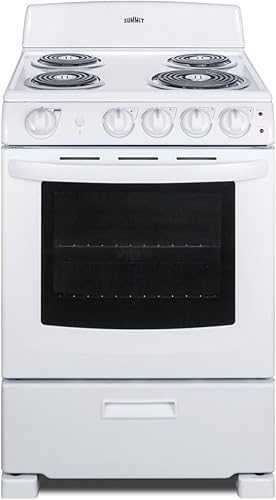
Electric ovens typically draw between 2,000 and 5,000 watts, with most standard 30-inch freestanding models landing around 2,400 to 3,000 watts. To calculate the cost per hour, multiply the wattage by the hours of use, divide by 1,000 to convert to kilowatt-hours (kWh), then multiply by your electricity rate. The U.S. average rate is roughly $0.13 per kWh, though it varies widely by state and utility. At that rate, a 3,000-watt oven running for one hour costs about $0.39.
What a Typical Month Looks Like
If you use your oven for about an hour a day, five days a week, that works out to roughly 20 hours of use per month. At $0.39 per hour, you're looking at about $7.80 a month, or just under $94 a year. Cook every day, and the annual figure can push closer to $140 or more. Those numbers sound manageable on their own, but remember your oven is just one of several high-draw appliances running in the kitchen.
Preheat Time Adds to the Total
Most electric ovens take 10 to 20 minutes to reach a target temperature like 350 degrees, and the element draws full power the entire time. If you preheat for 15 minutes before every cooking session, you're adding about 25 percent more run time to each use. Skipping unnecessary preheating, or reducing preheat time for forgiving dishes like casseroles and roasts, is one of the fastest ways to shave cost without changing your cooking habits.
Convection Mode Uses Energy More Efficiently
If your oven has a convection setting, using it can reduce both cook time and the overall amount of electricity consumed. The fan circulates hot air around food, which lets you cook at a slightly lower temperature (typically 25 degrees less than a conventional setting) and usually finish 10 to 25 percent faster. Less time at temperature means less electricity used, so convection is worth reaching for on longer cooks like roasts, sheet-pan dinners, and baked goods.
Self-Cleaning Cycles Are Surprisingly Expensive
The self-cleaning function on an electric range uses extremely high heat, sometimes reaching 900 degrees, and runs for two to four hours at a stretch. A single self-cleaning cycle can use as much electricity as a week's worth of normal cooking. Running the self-clean every month is a real cost you may not have accounted for. Spot-cleaning by hand after spills and reserving the self-clean cycle for a few times a year keeps those spikes in check.
How Your Oven's Size and Age Affect Costs
Larger ovens have bigger cavities that take more energy to heat and maintain temperature. A standard 5.0 cubic foot electric range pulls more energy per session than a compact 2.5 cubic foot model, all else being equal. Older ovens may also run less efficiently because worn door seals let heat escape and force the element to cycle on more often. If your oven is more than 15 years old and you cook frequently, replacing it with a newer model can reduce operating costs over time.
Practical Ways to Lower Your Oven's Running Cost
Keep the oven door closed while cooking, since each peek lets heat escape and forces the element back on. Use the right-sized baking dish to avoid having the oven work harder than necessary to heat dead air space around food. Cook multiple dishes in one session to spread the cost across several meals. When dishes have similar temperature requirements, batch them together on different racks. Finally, turn the oven off five to ten minutes before your food is done and let the residual heat finish the job.
Frequently asked questions
How many kWh does an electric oven use per hour?
Most electric ovens use between 2 and 5 kWh per hour, with the typical residential model drawing around 2.3 to 3.0 kWh during active baking. The exact figure depends on the oven's total wattage and how often the heating element cycles on to maintain temperature. A larger or older oven will generally use more.
Is it cheaper to use the stovetop or the oven?
For small amounts of food, the stovetop is usually cheaper because you heat only what's directly under the pot rather than warming an entire oven cavity. For larger meals or dishes that need even all-around heat, the oven can be more cost-efficient since you can cook more at once. The best approach depends on what you're making and how much food you need to cook.
Does leaving the oven on longer always cost more?
Yes, longer run time directly increases your cost since you're consuming electricity the entire time the element is active. That said, the element doesn't run continuously; it cycles on and off to hold the set temperature. Still, more total time at temperature means more total electricity used, so finishing cooking promptly and turning the oven off when you're done makes a real difference.
Does an electric oven cost more to run than a gas oven?
It depends entirely on the cost of electricity versus natural gas in your area. In many parts of the U.S., natural gas is cheaper per unit of heat produced, which makes gas ovens less expensive to run day-to-day. However, in regions where electricity rates are low or where gas prices are high, the gap narrows or even reverses. Check your local utility rates to compare accurately.
How much does it cost to run an electric oven for Thanksgiving?
A full Thanksgiving cook might involve four to six hours of oven use for the turkey plus additional time for sides, which could add up to seven or eight total oven-hours. At typical electricity rates and average oven wattage, that single day of cooking could cost anywhere from $2 to $5 in electricity. It sounds small, but stacking it with other holiday appliance use adds up across the season.