Gas vs Electric Stove: Which Is Actually Cheaper to Run?
The answer depends on your local utility rates, but here is how to do the math and decide.
When you are staring down a new stove purchase, the sticker price is only part of the story. The fuel you cook with will quietly add to your utility bill every month for a decade or more. Gas and electric ranges each have a loyal following, but the cheaper option to run is not the same in every home. This guide breaks down the energy costs, the hidden extras, and the situations where each fuel type makes the most sense.


How Gas and Electric Stoves Use Energy
A gas burner burns natural gas directly under your pot, releasing heat right away. An electric range converts electrical current into heat through a coil, ceramic, or radiant element. Neither method is perfectly efficient, but gas cooktops transfer heat faster to your pan while electric ovens tend to hold a steadier temperature during baking. Understanding this basic difference helps you see why cost comparisons are not one-size-fits-all.
The Energy Math: Gas vs Electric
Natural gas is measured in therms, and electricity is measured in kilowatt-hours (kWh). The national average price for natural gas is roughly $1.10 to $1.30 per therm, while electricity tends to run between $0.13 and $0.17 per kWh, though both vary a lot by region. A typical household uses about 40 to 50 therms a year on cooking with gas, while an electric range might consume around 500 to 700 kWh annually for cooking. Running those numbers at average rates, gas cooking often comes out cheaper on a monthly basis, but only when gas prices in your area are low.
When Electric Is Actually Cheaper
In parts of the country where natural gas is expensive or hard to pipe in, electric stoves can cost less per month. If your home already runs on an all-electric setup, you may also qualify for time-of-use utility rates that let you shift cooking to off-peak hours at a lower price. Induction ranges, a type of electric cooktop, are especially efficient because they heat only the cookware and not the air around it, which can noticeably cut cooking energy use compared to a standard coil or radiant electric top.
Installation and Setup Costs to Factor In
The appliance price tag is not the full cost picture. If your kitchen does not already have a gas line, installing one can cost several hundred to over a thousand dollars depending on the plumber and your local codes. Electric ranges need a 240-volt outlet, which most kitchens already have, but older homes may require an electrician to add or upgrade a circuit. Switching from one fuel type to the other almost always adds upfront cost, so staying with the fuel your kitchen is already set up for usually makes the most financial sense.
Long-Term Operating Costs
Over a ten-year lifespan, the difference in running costs between gas and electric ranges can add up to several hundred dollars, but it rarely exceeds the cost of converting your kitchen to a different fuel type. The more significant factor is where you live: households in the Midwest and South often find gas cheaper, while those in areas with abundant hydroelectric power may find electricity the better deal. It pays to pull up your latest utility bills and compare your local gas and electric rates before you decide.
Other Things That Affect Your Bill
How often you cook matters just as much as what fuel you use. Baking large roasts or running the oven for hours during the holidays adds noticeably to your monthly costs regardless of fuel type. Keeping oven door seals in good shape, preheating only as long as needed, and using the right burner size for your pan all help either type of stove run more efficiently. Cooking style and household size are practical factors that can close the cost gap between gas and electric.
Which Should You Buy?
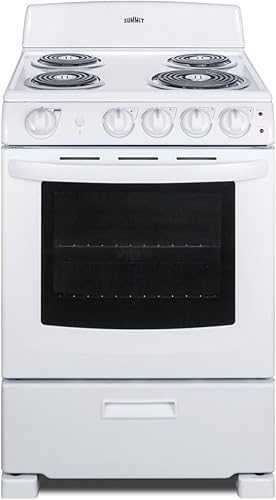
If you already have a gas hookup and your local gas rates are average or below, a gas range will usually cost less to run each month. If your kitchen is all-electric or you are in an area with low electricity rates, an electric or induction range may be the smarter long-term buy. Consider the GE JGBS30DEKBB, a freestanding gas range with a 4.8 cu ft oven and open-burner cooktop, as a solid mid-range gas option. For an electric alternative with a lot of capacity, the GE JB256DMWW offers a 5.0 cu ft oven and digital temperature controls at a reasonable price point. If you are leaning gas but want a compact footprint, the Summit Appliance RE2411W is a 23.5-inch electric freestanding range that fits tighter kitchens and has earned solid reviews from buyers.
Frequently asked questions
Is gas or electric cheaper to cook with?
It depends almost entirely on what your local utility charges for natural gas versus electricity. In many parts of the US, gas is cheaper to cook with on a monthly basis, but areas with low electricity rates or expensive gas can flip the equation. Pull up your utility bills and compare the cost per therm of gas to the cost per kWh of electricity to get an honest answer for your home.
How much does it cost to run a gas stove per month?
A typical household spending moderate time cooking on gas uses roughly 3 to 5 therms per month on the stove. At a national average of around $1.20 per therm, that puts monthly cooking costs at roughly $4 to $6 for gas alone. Oven use adds more, but cooking is rarely the biggest line on your gas bill.
How much does it cost to run an electric stove per month?
An electric range used for average home cooking consumes roughly 50 to 70 kWh per month. At around $0.15 per kWh, that works out to about $7 to $11 per month. Induction cooktops tend to sit toward the lower end of that range because they waste less heat.
Does switching from gas to electric save money?
Sometimes, but not always right away. The cost to run a new electric line or hire an electrician can be significant, and the monthly energy savings may not cover that expense for several years. If your current stove is already gas and a gas line is in place, staying with gas is usually the most cost-effective path unless your local electricity rates are unusually low.
Are induction stoves cheaper to run than gas?
Induction cooktops are more energy-efficient than either gas or traditional electric coil or radiant tops because nearly all of the energy goes directly into the cookware. Whether they are cheaper to run depends on your local electricity rate versus gas rate, but their efficiency advantage can make them a lower-cost option in areas where electricity and gas prices are close.