How to Clean an Oven Step by Step
A clean oven cooks better, smells better, and lasts longer, here is the straightforward way to do it.
A grimy oven is one of those kitchen problems that sneaks up on you. Spills bake on after every use, and before long you have a layer of carbonized grease that smokes every time you preheat. The good news is that cleaning an oven does not require harsh chemicals or a whole afternoon, just a little baking soda, some patience, and a plan. This guide walks you through the whole process, from the racks to the glass door, whether you have a gas or electric model.


What You Will Need
Gather your supplies before you start so you are not hunting around mid-clean. You need baking soda, white vinegar in a spray bottle, dish soap, rubber gloves, a damp cloth or sponge, a plastic scraper or old credit card, and a dry towel. For stubborn grease, a non-scratch scrubbing pad helps. Avoid steel wool or abrasive powders on the oven interior, since they can scratch the enamel coating and make future cleaning harder.
Remove and Soak the Oven Racks
Pull out all the oven racks and set them in a bathtub or large utility sink. Fill the tub with hot water and a few squirts of dish soap, then let the racks soak for at least two hours, or overnight if the buildup is heavy. After soaking, most grime wipes off with a sponge. For baked-on spots, scrub gently with a non-scratch pad. Rinse the racks well, dry them, and set them aside until the oven interior is clean.
Apply the Baking Soda Paste
Mix about half a cup of baking soda with just enough water to form a spreadable paste. Put on your gloves, then spread the paste all over the inside of the oven, the bottom, sides, and top, avoiding the heating elements on electric ovens and the gas igniter on gas ovens. The paste will look brown as it mixes with grease, which is normal. Let it sit for at least 12 hours, or overnight for best results. The longer it sits, the less scrubbing you will need.
Wipe Out the Baking Soda
After the paste has had time to work, use a damp cloth to wipe as much of it out as you can. A plastic scraper is useful for loosening the thicker spots. Once most of the paste is gone, fill your spray bottle with undiluted white vinegar and spritz the remaining residue inside the oven. The vinegar reacts with leftover baking soda and foams up, which helps lift the last bits of grime. Wipe everything down with a clean damp cloth until the interior looks clean and residue-free.
Clean the Oven Door and Glass
The glass door gets its own attention since baked-on grease makes it nearly opaque over time. Apply the baking soda paste directly to the interior glass, let it sit for 30 minutes, then scrub gently with a non-scratch pad and wipe clean. For the outside of the glass, a standard glass cleaner works fine. Avoid getting liquid into the gap between the glass panels, since moisture trapped there is hard to remove without disassembling the door.
Gas vs. Electric Oven Differences
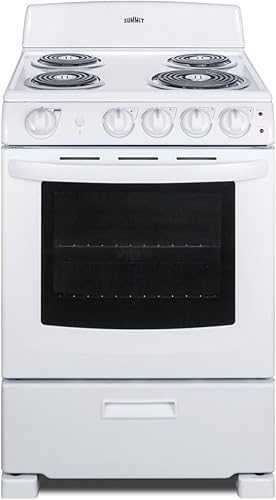
The cleaning process is nearly the same for both types, but there are a couple of things to keep in mind. On an electric oven, the coil heating elements lift out of their sockets, do not coat them with paste or submerge them in water. Clean around and beneath them with a damp cloth only. On a gas range, avoid getting water or paste into the burner ports, and make sure the oven is fully dry before relighting the pilot or using it again. If your gas oven has an electronic igniter, keep moisture away from it as well.
How Often Should You Clean Your Oven
For most households, a deep clean every three to six months keeps things manageable. If you roast meats or bake pies that bubble over frequently, aim for every two months. Wiping up spills right after the oven cools (not while it is still hot) cuts down on buildup dramatically and makes each deep clean much easier. A quick wipe-down of the oven bottom after heavy cooking takes only a few minutes and prevents the majority of stubborn buildup from forming in the first place.
Frequently asked questions
Is it safe to use baking soda and vinegar inside an oven?
Yes, both are food-safe and leave no harmful residue when wiped clean. The foaming reaction when they meet is just carbon dioxide, harmless and helpful for lifting grime. Make sure you wipe the oven interior thoroughly so no paste residue is left behind before you heat it again.
How do I get rid of the burning smell after cleaning?
A slight smell after cleaning is normal as any remaining residue burns off during the first heat cycle. After wiping the oven clean, heat it to 350 degrees Fahrenheit for about 15 minutes with the kitchen ventilated, and the smell should clear. If it persists beyond that, wipe the interior again with a clean damp cloth to remove any leftover baking soda.
Can I clean a self-cleaning oven manually?
Yes, you can use the manual method on a self-cleaning oven. In fact, the baking soda method is gentler on the oven's enamel coating than running the self-clean cycle, which uses extremely high heat. Self-clean cycles can sometimes trip the thermal fuse or cause other heat-related wear, so many technicians recommend manual cleaning for routine maintenance.
How do I clean the oven without strong chemical smells?
The baking soda and vinegar method covered in this guide produces no strong fumes. Commercial oven cleaners often contain lye or caustic alkaline chemicals that require serious ventilation. If you prefer a ready-made product, look for citrus-based or enzyme oven cleaners, which are much milder than traditional spray foams.
What is the best way to clean burned-on grease at the bottom of the oven?
Apply a thick layer of baking soda paste directly to the burned spot and let it sit overnight. In the morning, use a plastic scraper to lift the loosened char, then scrub with a damp non-scratch pad. For very old buildup, you may need a second treatment. Soaking a cloth in vinegar and laying it over the spot for 30 minutes before scrubbing can also help soften the grease.