Do I Need a Range Hood If I Have an Over-the-Range Microwave?
OTR microwaves include a built-in fan, but that does not always make a separate range hood unnecessary.
One of the most common questions people ask when planning a kitchen upgrade is whether an over-the-range microwave eliminates the need for a range hood. The short answer is: it depends on how you cook and how your kitchen is vented. OTR microwaves do come with built-in ventilation fans, but those fans are not always as capable as a dedicated range hood. Understanding the difference can save you from a smoky, greasy kitchen down the road.
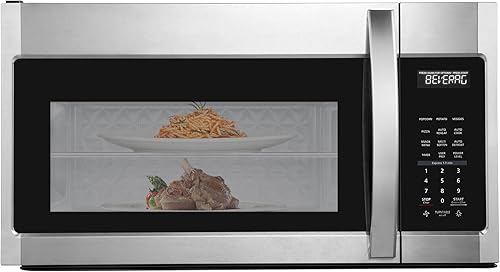


What the Built-In Fan on an OTR Microwave Actually Does
Every over-the-range microwave includes a fan and light combination that sits just above your cooktop. The fan pulls air from the cooking surface and either exhausts it outside through ductwork or recirculates it back into the kitchen after passing it through a charcoal filter. This setup works reasonably well for light everyday cooking like reheating leftovers or boiling water. However, the fan motor and airflow capacity on most OTR microwaves are more modest than what you get from a purpose-built range hood.
Venting Modes: Ducted vs. Recirculating
When an OTR microwave vents to the outside through a duct, it removes smoke, steam, grease particles, and cooking odors from your home entirely. That is the most effective setup and closest to what a dedicated range hood provides. The recirculating (ductless) mode, on the other hand, filters the air and pushes it back into your kitchen. Charcoal filters capture some odors but do not remove moisture or heat, and they need to be replaced every few months to stay effective. If your microwave is in recirculating mode, it is doing less ventilation work than you might think.
When an OTR Microwave Fan Is Probably Enough
If you mostly do light cooking on your range, such as simmering sauces, steaming vegetables, or making simple weeknight meals, the built-in fan on an OTR microwave is usually adequate. Kitchens with good natural airflow or an open layout also benefit from less aggressive ventilation. If your microwave is ducted to the outside, you are getting real exhaust ventilation and a separate hood is not necessary in most cases. The convenience of having the microwave and ventilation in one unit is one of the main reasons OTR models are popular in everyday kitchens.
When You Probably Do Need a Separate Range Hood
Heavy cooking changes the equation significantly. If you regularly sear meats, fry foods, cook at high heat, or prepare dishes that produce a lot of steam, the fan in an OTR microwave may simply not move enough air to keep your kitchen comfortable and clean. Most OTR microwaves have fans rated between 150 and 400 CFM, while dedicated range hoods often start at 400 CFM and go much higher. High-output gas ranges in particular generate heat and combustion byproducts that benefit from stronger ventilation. If your kitchen tends to get smoky or hazy during cooking, a more powerful venting solution is worth considering.
The Clearance and Placement Factor
Range hoods are typically mounted 24 to 30 inches above an electric cooktop and 28 to 36 inches above a gas cooktop. OTR microwaves have a fixed installation height determined by cabinet placement, which is usually between 13 and 18 inches above the cooking surface. That closer proximity means the fan is nearer to the source of smoke and steam, which helps offset the lower CFM rating somewhat. Still, if your kitchen layout results in the microwave being mounted higher than recommended, ventilation performance will suffer.
Grease Filters and Maintenance
OTR microwaves use aluminum mesh grease filters that catch airborne grease before it reaches the fan motor. These need to be cleaned regularly, usually once a month if you cook frequently. Neglecting them reduces airflow and can create a fire hazard over time. Dedicated range hoods also use grease filters but often have larger ones that are easier to access and clean. Either way, staying on top of filter maintenance is one of the most important things you can do to keep your ventilation working properly.
OTR Microwaves Worth Considering
If you decide an OTR microwave suits your kitchen, there are solid options at different price points. The BLACK+DECKER EM044KB19 is a popular 1.9 cu ft model with convection capability and a touchscreen, priced around $343. The Frigidaire FFMV1846VS offers 1.8 cu ft of space and 1000 watts of cooking power at around $349, with strong buyer demand. The GE JVM3160RFSS is a dependable 1.6 cu ft unit around $227 with a simple touch pad interface and a long track record among homeowners. All three are 30-inch wide models that fit standard cabinet openings.
Frequently asked questions
Can an OTR microwave fully replace a range hood?
For many kitchens, yes. If your OTR microwave is ducted to the outside and you do moderate cooking, it handles ventilation reasonably well. For heavy cooking with a high-output gas range, a dedicated range hood will outperform the built-in fan on most OTR microwaves.
What CFM do I need for adequate ventilation over a gas range?
A general guideline is 100 CFM for every 10,000 BTUs your range produces. Many gas ranges fall in the 40,000 to 60,000 BTU range, which points to needing 400 to 600 CFM. Most OTR microwaves fall below that range, so high-output gas ranges pair better with a dedicated hood.
Does a ductless OTR microwave actually clean the air?
It filters some grease and odors through a charcoal filter but does not remove moisture or heat, and it pushes the air back into the kitchen rather than exhausting it outside. It is better than no ventilation at all, but noticeably less effective than a ducted setup.
How often should I clean the grease filter on my OTR microwave?
For average cooking frequency, cleaning the aluminum mesh grease filter once a month is a good rule of thumb. If you cook heavily or fry foods often, every two to three weeks is better. Most filters are dishwasher-safe, which makes the job quick.
Will building codes require a range hood even if I have an OTR microwave?
Most residential building codes accept an OTR microwave as the ventilation solution above a residential range, particularly if it is ducted to the outside. Requirements vary by location, so it is worth checking your local codes or asking your contractor before a kitchen remodel.