Essential Kitchen Appliances Every New Home Needs
A practical guide to the cooking appliances worth buying first when you move into a new place.
Setting up a kitchen from scratch can feel overwhelming, especially when every appliance seems like a must-have. The good news is that most home cooks get by just fine with a short list of well-chosen pieces. Getting the fundamentals right first means you cook comfortably from day one without spending money on things you may not need for months. This guide walks you through what to buy, in what order, and what to watch for so you don't waste a trip back to the store.


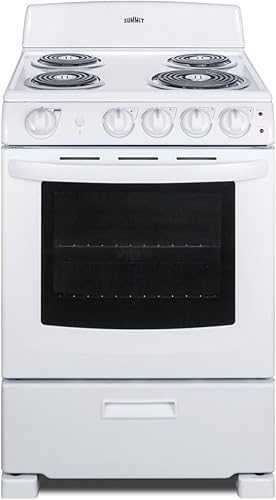
Start with the Range: Your Kitchen's Workhorse
A freestanding range handles both stovetop cooking and oven baking in a single footprint, which makes it the single most useful appliance in any kitchen. Most homes use a standard 30-inch width, so confirm your cutout before you shop. You'll choose between gas, electric, and induction cooktops, each with real trade-offs in heat control, speed, and installation cost. Gas is familiar and works during a power outage, while electric smooth-tops are easy to wipe clean. A range with four burners and at least 4.8 cubic feet of oven capacity covers virtually everything a home cook will need.
Gas vs. Electric: Picking the Right Fuel Type
Your home's existing hookups usually make this decision for you, but it's worth knowing the basics before you commit. Gas ranges heat quickly, give you instant visual feedback on flame level, and tend to have lower operating costs in many parts of the country. Electric ranges with ceramic or smooth-glass cooktops are simpler to clean and don't require a gas line. Induction is the most energy-efficient option and heats only the pan, not the surrounding surface, but it requires compatible magnetic cookware. If you're in a new construction home, check with your builder or landlord before assuming which fuel type is available.
A Microwave: More Useful Than You Think
A microwave earns its place early because it handles reheating, defrosting, and quick meals while you're still getting the kitchen organized. Countertop models are the most flexible since they don't require cabinet modifications or special ventilation. For most people, a 1.0 to 1.6 cubic foot capacity hits the sweet spot between counter space and usefulness. If your kitchen has dedicated cabinet space above the range, an over-the-range microwave doubles as a ventilation hood and frees up counter space, which is worth considering if the kitchen is compact.
Range Hood or Ventilation: Don't Skip This
Ventilation is easy to overlook until you realize every cooking smell is drifting into your living space. A range hood pulls grease, steam, and smoke out of the air before they coat your cabinets. Ducted hoods vent directly outside and do the best job, while ductless hoods filter and recirculate air, which is a reasonable option if you can't run ductwork. A minimum of 200 CFM handles everyday cooking, but if you cook frequently on high heat, aim for 400 CFM or more. Match the hood width to your range width for even coverage.
What to Budget and When to Prioritize Quality
For a new home, budget a range somewhere between $700 and $1,500 for a reliable 30-inch freestanding model from a mainstream brand. Spending more usually gets you features like a convection oven, a fifth power burner, or a self-cleaning cycle, which are nice but not essential in year one. A basic countertop microwave costs $80 to $200 and does everything most people need. A range hood runs $150 to $400 for a solid ducted wall-mount unit. If your budget is tight, put the money into the range first since it affects every meal you cook.
Common Buying Mistakes to Avoid
The biggest mistake is buying on looks alone without measuring the space. Always confirm the cutout width, depth, and the location of electrical or gas connections before ordering. A 36-inch range is beautiful but will not fit in a standard 30-inch opening without cabinet work. Watch out for delivery fees and installation costs, which can add $150 or more to the final price, especially for gas ranges that need a professional hookup. Finally, resist loading up on extras like a double oven or a warming drawer on day one; buy the basics, cook in the space for a few months, and then decide what you actually wish you had.
The Short List: What to Buy First
If you need a simple priority order, start with the range, then add a countertop microwave, and then sort out ventilation. Everything else, from a stand mixer to a toaster oven, can wait until you know your cooking habits in the new space. Many appliances that feel essential in the store turn out to collect dust at home. Buying the core three first lets you cook real meals immediately while giving yourself time to figure out what the kitchen actually calls for.
Frequently asked questions
What size range should I buy for a standard kitchen?
A 30-inch freestanding range fits the standard cutout in most American kitchens built in the last 50 years. Before ordering, measure the opening width, depth, and the height to the underside of any overhead cabinets. If you have more space, a 36-inch range gives you a larger cooktop and sometimes a bigger oven, but only buy up if the cutout actually accommodates it.
Do I need a range hood if I have an over-the-range microwave?
An over-the-range microwave does include a fan and filter, but most are less powerful than a dedicated hood and recirculate air rather than venting outside. They work fine for light cooking, but if you cook frequently at high heat or make dishes with a lot of steam and grease, a proper ducted range hood does a noticeably better job. Check whether the OTR microwave in your kitchen can be converted to a ducted setup before assuming it cannot.
Is gas or electric better for a first home?
Neither is universally better; both fuel types cook food well, and the right choice depends mostly on what your home already supports. Gas requires a gas line and often a licensed installer, while electric only needs the correct outlet, usually 240 volts for a full range. If you have a choice, think about your cooking style: gas suits high-heat cooks who want fast response, while smooth electric tops are easier to keep clean.
How much should I spend on a starter range?
A budget of $700 to $1,200 gets you a solid 30-inch freestanding range from an established brand with four burners and a decent oven. Models in this range typically include a self-cleaning oven and a digital clock or temperature display. You don't need to spend more than that to cook well in a new home; the jump to $1,500 and above mostly adds convenience features rather than fundamental cooking improvements.
Can I skip the microwave and just use the oven?
You can, but a microwave saves a lot of time for tasks your oven handles poorly, such as reheating leftovers, softening butter, or defrosting meat quickly. An oven takes 10 to 15 minutes just to preheat, making it inefficient for quick reheats. A basic countertop microwave is inexpensive enough that most people find it worth having from the start.