How to Clean a Gas Stove Top and Grates (Step by Step)
A thorough clean takes about 30 minutes and leaves your burners looking nearly new.
Gas stove tops accumulate grease, spills, and burnt-on food faster than almost any other kitchen surface. The good news is that most of that grime comes off with dish soap, baking soda, and a little patience. Knowing which parts to soak versus which to scrub dry saves you time and keeps your grates in good shape for years.

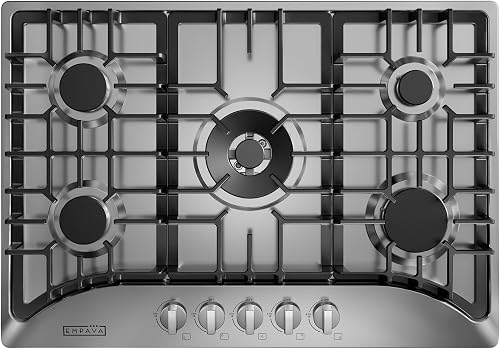

What You'll Need
Gather your supplies before you start so you're not hunting around mid-clean. You'll need dish soap, baking soda, white vinegar, a spray bottle, a non-scratch scrub pad or old toothbrush, a few microfiber cloths, and a bowl or sink large enough to soak your grates. Avoid steel wool on the cooktop surface itself, as it can scratch the enamel or stainless steel finish. A plastic scraper or old credit card is handy for lifting thick, baked-on residue without gouging anything.
Step 1, Remove and Soak the Grates
Let the burners cool completely, then lift off the cast iron or porcelain grates. Fill your sink with hot water, add a generous squeeze of dish soap, and submerge the grates. Let them soak for at least 15 to 20 minutes while you work on the rest of the surface. For heavily soiled grates, add a quarter cup of baking soda to the soak water to help loosen carbonized grease. Avoid soaking grates with a manufacturer warning against it, check your manual if you're unsure.
Step 2, Clean the Burner Caps and Heads
Lift off the burner caps (the round discs that sit on top of the burner heads) and wipe them down with a damp cloth and dish soap. If you see clogged burner ports, the small holes around the burner head, use a toothpick or straightened paper clip to clear them out. Do not use a toothbrush with metal bristles, which can push debris deeper into the ports. Rinse the caps and set them aside to dry completely before replacing them, since moisture inside a burner port can cause ignition problems.
Step 3, Tackle the Cooktop Surface
Spray the cooktop surface with a 50/50 mix of white vinegar and water, then let it sit for two or three minutes to cut through grease. Wipe it down with a microfiber cloth, working in small circles. For stuck-on spots, make a paste from baking soda and a few drops of water, apply it directly to the stain, and let it sit for five minutes before scrubbing gently with a non-scratch pad. Rinse the surface with a damp cloth and dry it right away to prevent water spots, especially on stainless steel.
Step 4, Scrub and Rinse the Grates
After soaking, scrub the grates with a non-scratch pad or a stiff nylon brush. Most of the grease should lift off easily now. For stubborn spots, apply a baking soda paste and let it sit for another five minutes before scrubbing again. Rinse the grates thoroughly under hot running water and check that no soap residue remains. Place them on a clean towel and let them air dry fully, or dry them with a cloth, before putting them back on the cooktop.
Step 5, Reassemble and Season Cast Iron Grates
Once everything is dry, place the burner heads, caps, and grates back in their correct positions. If your grates are cast iron, a very light coat of cooking oil rubbed on with a paper towel helps prevent rust and keeps them looking good longer. Simply rub a small amount of vegetable or canola oil over the surface, then wipe off any excess so the grates aren't greasy to the touch. This quick step takes less than a minute and makes future cleanups noticeably easier.
How Often Should You Clean Your Gas Stove Top?
A quick wipe-down after each cooking session prevents grease from baking on in the first place. The grates and burner caps benefit from a deeper soak every one to two weeks, depending on how often you cook. Doing a full deep clean like the one above once a month keeps the cooktop looking sharp and helps the burners fire evenly. Ignoring a clogged burner port long enough can cause uneven flames or ignition misfires, so it's worth checking them during your monthly clean.
Frequently asked questions
Can I put gas stove grates in the dishwasher?
It depends on the material and your manufacturer's guidance. Porcelain-coated grates can sometimes handle the dishwasher, but cast iron grates should be hand-washed because the high heat and harsh detergent strip their seasoning and cause rust. When in doubt, soaking by hand is the safer option and works just as well.
Why does my gas burner have an uneven flame after cleaning?
An uneven flame after cleaning usually means a burner port is still clogged with food debris or residual moisture got trapped in the port. Remove the burner cap, let everything dry out completely, and use a toothpick to clear any blocked holes. Give the burner 30 minutes to fully dry before testing it again.
How do I remove really stubborn burnt-on stains from the cooktop?
For stains that resist vinegar spray and baking soda paste, try covering the spot with a thick layer of baking soda, spraying it lightly with vinegar, and letting the fizzing action work for 10 minutes before scrubbing. A plastic scraper can help lift the loosened residue without scratching the surface. Repeat the process if the stain is still visible after the first round.
Is it safe to use oven cleaner on gas stove grates?
Oven cleaner is effective on very heavily soiled grates but it contains strong chemicals that can damage porcelain coatings and irritate skin, so wear gloves and work in a well-ventilated area. Always check that the product is labeled safe for grates, and rinse thoroughly to remove all residue before cooking. For routine cleaning, dish soap and baking soda are gentler and work well enough.
How do I keep my gas cooktop cleaner between deep cleans?
Wipe the surface with a damp cloth while it is still warm (not hot) right after cooking, fresh spills come off in seconds compared to baked-on ones. Using a splatter screen when frying also cuts down on the grease that ends up on the grates and surrounding surface. Small habits like these make the monthly deep clean much faster.