How to Deep Clean an Oven Naturally (No Chemicals Needed)
Baking soda and vinegar tackle even stubborn baked-on grease without the fumes or chemical residue of commercial oven cleaners.
If your oven has seen better days, caked-on drips, smoke every time you preheat, that faint burnt smell, a natural deep clean can fix all of that. The method uses two pantry staples: baking soda and white vinegar. It takes a little patience (most of the work happens overnight while you sleep), but the payoff is a genuinely clean oven without any harsh fumes or chemical residue left near your food.
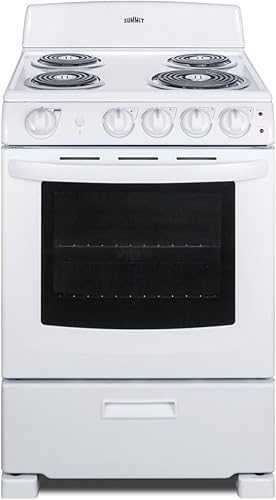


What You Will Need
Gather these before you start: a box of baking soda, white distilled vinegar in a spray bottle, dish soap, a few old rags or microfiber cloths, a plastic scraper or an old credit card, and rubber gloves. That is the entire supply list. You do not need commercial oven cleaner, and you do not need to run the self-clean cycle, which gets hot enough to produce smoke and can trigger smoke alarms.
Step 1, Remove the Racks and Soak Them
Pull out all oven racks and set them in the bathtub or a large utility sink. Fill with hot water, add a generous squirt of dish soap, and let them soak for at least an hour, overnight is even better for heavy grease buildup. While they soak, scrub with a non-scratch pad to remove loosened residue, then rinse and dry completely before putting them back. Clean racks make a bigger visual difference than almost anything else.
Step 2, Make and Apply the Baking Soda Paste
Mix about half a cup of baking soda with just enough water to form a thick, spreadable paste, aim for a consistency close to toothpaste. Put on your gloves and spread the paste over every interior surface: the bottom, the sides, the back wall, and the inside of the door. Avoid the heating elements on electric ovens and the gas ports on gas burners. The paste will turn brown as it picks up grease, which is exactly what you want. Let it sit for at least 12 hours, or ideally overnight.
Step 3, Wipe Out the Paste
After the paste has had time to work, use a damp cloth or a plastic scraper to wipe out as much of it as you can. You will notice the dried grease comes up with the paste instead of fighting you. For stubborn spots, a little extra elbow grease with a non-scratch scrub pad does the job. Work from the back toward the door opening so you are not dragging grime over clean areas.
Step 4, Spray with Vinegar to Finish
Once the bulk of the paste is gone, spray the interior generously with white vinegar. The vinegar reacts with any baking soda residue and causes a light fizzing, that reaction lifts the last bits of residue and neutralizes the alkaline paste so nothing is left behind. Wipe everything down with a clean damp cloth, then do one final pass with a dry cloth. The inside should look noticeably cleaner and smell neutral.
Cleaning the Oven Door and Glass
The oven door glass gets its own treatment because it tends to collect a stubborn film of baked-on grease. Apply the baking soda paste directly to the inside of the glass, let it sit for 30 minutes, then scrub gently with a non-scratch pad and wipe clean with a damp cloth. Finish with a spritz of vinegar and buff dry. For the outside of the door, a damp cloth with a little dish soap is usually enough, just dry it thoroughly to avoid streaks.
How Often Should You Deep Clean Your Oven?
A full natural deep clean every three to six months keeps grease from building up to the stubborn stage. In between, wipe up spills as soon as the oven cools after cooking, fresh spills come off in seconds with a damp cloth, while the same spill baked on through several more cooking sessions can take real effort to remove. If you notice smoke during preheating or a persistent burnt smell, that is a reliable sign it is time for a deep clean regardless of when you last did one.
Frequently asked questions
Is it safe to use baking soda and vinegar to clean an oven?
Yes. Both are food-safe and leave no harmful residue near cooking surfaces. Unlike commercial oven cleaners that contain lye or other caustic chemicals, baking soda and vinegar rinse away completely with water. The fizzing reaction when they meet is just carbon dioxide gas, which is harmless.
How long should I leave the baking soda paste in my oven?
At least 12 hours gives the paste enough time to break down grease and carbonized food residue. Overnight is the most convenient schedule, spread the paste before bed and wipe it out the next morning. For a very dirty oven you can leave it up to 24 hours with good results.
Can I use this method on a gas oven?
Yes, with one precaution. Avoid getting the paste directly on the gas burner ports at the bottom of the oven or on the igniter. Those areas can be wiped around carefully with a slightly damp cloth rather than covered in paste. Everything else, the walls, door, and floor of the cavity, can be treated the same way as an electric oven.
What if some residue is still stuck after I wipe out the paste?
Spray the stubborn spot with vinegar, let it sit for a few minutes, and try again with a plastic scraper or a non-scratch scrub pad. Avoid metal scrapers or steel wool, which can scratch the oven interior. Extremely carbonized spots sometimes need a second application of paste and another overnight wait.
Should I use the self-clean cycle instead?
The self-clean cycle runs the oven at very high temperatures, sometimes above 900 degrees Fahrenheit, to incinerate residue. It works, but it produces a significant amount of smoke and fumes that can set off smoke alarms and be irritating in a small kitchen. The natural method takes more time but produces no fumes and puts less thermal stress on the oven door and seals.