How to Lower Your Kitchen Energy Bill Without Giving Up Good Meals
Small habit changes and a few appliance upgrades can meaningfully reduce what you spend to cook every month.
Your kitchen is one of the biggest energy users in the house, and the range or oven is usually the main culprit. The good news is that most of the cost comes down to how you cook, not just what you own. A few straightforward habit changes, paired with smart appliance choices, can trim your bill without making dinner any less satisfying. This guide walks through the most practical moves, from daily cooking habits to longer-term appliance decisions.


Preheat Only When You Actually Need To
The oven preheat cycle is one of the biggest energy draws in your kitchen, and for many dishes it is not necessary at all. Casseroles, roasted vegetables, and most baked pasta dishes can go straight into a cold oven with no noticeable difference in results. Save the full preheat for things where it genuinely matters, like bread, cookies, and anything that needs a burst of bottom heat to set properly. When you do need to preheat, avoid opening the door to check progress, each peek can drop the internal temperature by 25 degrees or more, forcing the element to cycle back on. Using the oven light and window instead costs nothing.
Match the Burner Size to the Pan
Using a small pan on a large burner wastes a surprising amount of energy because heat spills around the sides of the cookware instead of going into your food. A 6-inch pan on an 8-inch burner can waste 40 percent or more of the heat generated. Match the burner or element to the diameter of the pot as closely as you can. On electric smooth-tops, this is especially important because the radiant element heats the whole ring whether the pan covers it or not. On gas ranges, keep the flame just under the edge of the cookware rather than lapping up the sides.
Use Residual Heat to Finish Cooking
Electric ranges and ovens hold heat well after you turn them off, and you can take advantage of that for free. Turn the oven off 5 to 10 minutes before a dish is done and let the retained heat finish the job. On an electric cooktop, reduce or cut power a few minutes early when simmering soups, pasta, or grains, the element stays warm long enough to keep things cooking. Gas burners cool faster, so this trick works better on the oven side with gas ranges. Either way, it is a simple habit that adds up across dozens of meals each month.
Choose the Right Appliance for the Job
A full-size oven uses far more energy than it needs to for small jobs. Reheating leftovers, toasting bread, or cooking a single chicken breast in a 5-cubic-foot oven means heating a large cavity for a task that a microwave or toaster oven handles in a fraction of the time and energy. Microwaves use roughly 50 to 80 percent less energy than a conventional oven for reheating, and countertop convection ovens are significantly more efficient for small meals. Reserve your range oven for full-sized cooks and let smaller appliances handle the rest.
Cook Multiple Things at Once
When you do run the oven, make it count. Batch cooking, roasting two trays of vegetables alongside a protein, or baking a dessert while a main dish finishes, means the energy spent preheating and maintaining temperature serves more than one purpose. Plan your week so that things needing similar oven temperatures land on the same cook day. This takes a little advance thought but cuts the number of full oven sessions in half for many households. Convection mode, if your range has it, speeds cooking by 20 to 25 percent, which also helps.
Keep Your Appliances in Good Shape
A dirty oven with a failing door seal works harder than it needs to. Check the rubber gasket around the oven door periodically, if it is cracked, stiff, or compressed unevenly, heat escapes and the element compensates by running longer. Clean oven interiors also reflect heat more efficiently than grease-coated ones. On gas ranges, clogged burner ports make the flame uneven, which means food takes longer to cook. Regular cleaning and a quick door-seal check once or twice a year costs nothing and keeps your appliances running at their most efficient.
Consider an Energy-Efficient Range When It Is Time to Upgrade
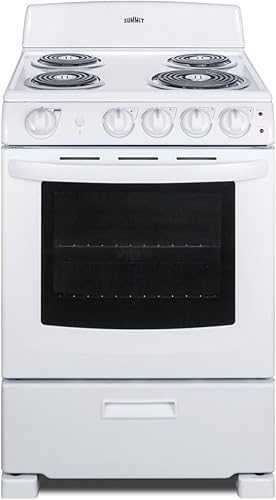
If your range is more than 15 years old, a newer model will almost certainly use less energy on both the cooktop and in the oven. Smooth-top electric ranges with radiant or induction elements transfer heat more directly than old coil-element models. Sealed gas burners are easier to clean and distribute heat more evenly than older open-burner designs. When shopping, look for models with a convection oven, which can cut cooking time and oven use meaningfully. You do not need to spend a lot to get a solid, efficient range, mid-range options from established brands offer the features that matter most for everyday savings.
Frequently asked questions
Does using a gas range save money over electric?
It depends on your local utility rates, which vary widely. In many parts of the country, natural gas is cheaper per BTU than electricity, making a gas range less expensive to run day to day. However, electricity rates have been declining in some regions while gas prices fluctuate, so it is worth checking current rates in your area before assuming one is cheaper than the other.
How much energy does an oven actually use per hour?
A typical electric oven draws between 2,000 and 5,000 watts, with most standard models running around 2,400 watts at full heat. At the US average electricity rate, running a standard oven for an hour costs roughly 30 to 50 cents. Gas ovens vary by BTU rating and local gas prices but tend to cost slightly less per hour in most markets.
Is convection mode really more efficient?
Yes, because the fan circulates hot air around the food rather than relying on radiant heat alone. This generally lets you cook at a temperature 25 degrees lower than a recipe calls for, or finish cooking 20 to 25 percent faster at the same temperature. Either way, the oven runs for less total time, which saves energy over many cooking sessions.
Does leaving the oven door cracked after cooking save energy?
Only if you want to use the residual heat to warm your kitchen in winter, and even then, the effect is modest. During a cooking session, keeping the door closed is always better because heat loss forces the element to cycle on more often. After cooking, the oven will cool on its own and the heat eventually enters the room either way.
How much can I realistically save with these habits?
Estimates vary, but cooking-related changes are typically worth 5 to 15 percent of your kitchen energy spend, which for many households comes to $5 to $20 per month. The highest-impact changes are reducing unnecessary oven use, matching burners to pans, and using the microwave for reheating. Small habits compounded across hundreds of meals add up meaningfully over a year.