How to Preheat Your Oven Faster: 7 Tips That Actually Work
A few simple habits can shave several minutes off your oven preheat every single time you cook.
Nobody wants to stand in the kitchen watching an oven light blink for 15 minutes before they can slide in a casserole dish. The good news is that preheat time is not fixed, the way you use your oven has a real impact on how quickly it gets up to temperature. Whether you have a gas range or an electric model, these tips will help you work smarter and get cooking sooner.

Why Ovens Take So Long to Preheat
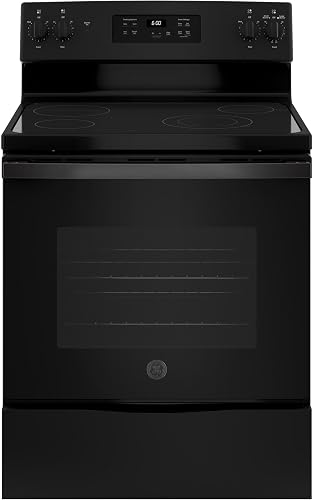
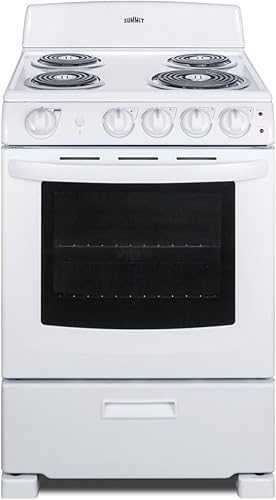
Most standard home ovens take between 10 and 20 minutes to reach a set temperature like 350 or 400 degrees Fahrenheit. Electric ovens tend to run a few minutes slower than gas because electric heating elements convert energy to heat less immediately than an open gas flame. Oven size also matters, a larger cavity simply requires more energy to fill with hot air. Understanding what slows things down helps you make choices that speed things up.
Move the Racks Before You Turn It On
This is the easiest change you can make. Moving oven racks while the oven is already hot wastes time and risks a burn. Get into the habit of positioning your rack at the right level, middle for most baking, lower for pizza or bread with a crisp bottom, before you even press a button. Rearranging cold racks takes about five seconds, and it means you are ready the moment the oven signals it is up to temperature.
Turn the Oven On Before You Do Anything Else
The single most effective trick is also the simplest: start preheating the moment you walk into the kitchen, not after you have prepped your ingredients. If a recipe calls for 20 minutes of prep time, that preheat is essentially free. By the time you have chopped, mixed, and measured, your oven is already waiting on you rather than the other way around. This habit alone eliminates most of the waiting people complain about.
Keep the Door Closed
Every time you open the oven door during preheat, you release a significant burst of hot air and add time to the process. It is tempting to peek inside or test the temperature by feel, but resist it. Most modern ovens have an interior light and an indicator, a light, chime, or display readout, that tells you when the set temperature is reached. Trust the indicator and leave the door shut until that moment.
Use the Convection Setting If Your Oven Has One
Convection mode runs a fan that circulates hot air throughout the oven cavity, which helps the space heat more evenly and often a bit faster than standard bake mode. If your range or wall oven includes a convection setting, switching to it during preheat can trim a few minutes off the wait. Just remember that convection also cooks food faster once it is inside, so you may need to reduce your recipe temperature by about 25 degrees or check for doneness a little earlier than usual.
Make Sure Your Oven Is Calibrated Correctly
An oven that is out of calibration can run cooler than its display shows, which means food takes longer to cook and you might not realize the oven is actually slow to preheat accurately. A simple oven thermometer costs a few dollars and tells you whether your oven's actual temperature matches what the dial says. If there is a consistent gap of more than 25 degrees, consult your owner's manual about the calibration adjustment, most digital ovens allow you to offset the reading without a service call.
Keep the Oven Clean
Grease buildup and food residue on the oven floor or walls can act as insulation in all the wrong ways, absorbing heat that should be warming the air around your food. A clean oven heats more efficiently and more predictably. You do not need to deep-clean before every use, but staying on top of spills and running a self-clean cycle a few times a year keeps your oven performing the way it was designed to. A clean interior also means fewer smoke issues when the oven runs hot.
Frequently asked questions
How long does a typical oven take to preheat?
Most home ovens reach 350 degrees Fahrenheit in about 12 to 15 minutes and 400 degrees in 15 to 20 minutes. Gas ovens generally get there a few minutes faster than electric models because the burner responds immediately. Larger oven cavities take longer than compact ones.
Does preheating the oven really matter?
Yes, for most recipes it matters quite a bit. Baked goods like cakes and cookies depend on a consistent starting temperature for proper rise and texture. Skipping preheat can cause uneven cooking or a flat result. Roasting meats and vegetables can sometimes tolerate a cold start, but you will get better browning if the oven is already hot.
Is it bad to put food in before the oven is fully preheated?
For baking, yes. The chemistry of leavening agents and pastry doughs relies on hitting the correct temperature quickly. Putting a cake in a cold oven can cause it to set poorly. For casseroles, roasts, or reheating leftovers, the impact is less severe, though cook times will need adjustment.
Why does my oven seem slower than it used to be?
A few things can cause this: a worn or failing heating element on an electric oven, a partially blocked burner on a gas range, or a faulty oven temperature sensor. Calibration drift is also common over years of use. Start by checking with an oven thermometer. If the temperature is consistently far off from the set point, the sensor or element may need replacement.
Does the type of range I own affect preheat speed?
Yes. Gas ranges generally preheat a bit faster than standard electric ranges because the burner delivers heat immediately. Electric ranges with convection fans close the gap. Induction cooktops heat burners nearly instantly but oven preheat speed still depends on the oven's heating element and size. Dual-fuel ranges combine gas burners with electric ovens, which is a common choice among people who want fast stovetop response and consistent oven heat.