How to Use a Self-Cleaning Oven Safely (Without the Smoke or Fumes)
The self-clean cycle is a great tool, but it needs a little prep work to keep your kitchen safe.
A self-cleaning oven sounds like a dream, but the cycle cranks your oven up to 900 degrees Fahrenheit or higher, which can fill your kitchen with smoke and fumes if you are not prepared. The good news is that with a few simple steps before you start, the whole process is quick and safe. This guide walks you through everything you need to do before, during, and after the cycle so you get a clean oven without any unpleasant surprises.
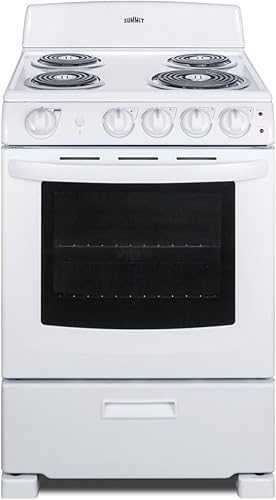


What the Self-Clean Cycle Actually Does
Self-cleaning ovens use extreme heat to incinerate food residue, grease, and spills into a fine ash you can simply wipe away afterward. Most cycles run between two and four hours depending on the oven model and how soiled the cavity is. Because the temperatures are so intense, the oven door locks automatically once the cycle begins and will not unlock until the oven has cooled back down to a safe level. This is a safety feature built into the appliance, so you do not need to worry about forcing the door open.
Before You Start: Remove Everything From the Oven
Pull out all oven racks, broiler pans, pizza stones, aluminum foil, and any other items sitting inside the oven cavity. Most oven racks are not designed to withstand the self-clean temperature and can warp or discolor if left inside. The racks can be washed separately in the sink with warm soapy water or a non-abrasive scrubber while the cycle runs. If your oven came with racks labeled as self-clean safe, check the owner manual before assuming they can stay.
Ventilate Your Kitchen Well
Even when the oven is not heavily soiled, the self-clean cycle will produce some smoke and fumes as residue burns off. Open windows and turn on your range hood fan before you start the cycle. If you have a ductless range hood, put a box fan in the window to pull air out of the kitchen. Keep the ventilation running for the entire cycle and for a half hour or so afterward. Good airflow makes the whole process much more comfortable.
Keep Pets Out of the Kitchen
Birds are especially sensitive to the fumes produced during self-cleaning because of how their respiratory systems work, and even low levels of smoke can be dangerous for them. Move birds and small caged pets to a room far away from the kitchen before you start the cycle, and keep them there until the oven has fully cooled and the kitchen has aired out. Dogs and cats are more resilient, but it is still a good idea to keep them out of the kitchen while the cycle is running just to be safe.
Do Not Leave the House While the Cycle Runs
The self-clean cycle runs at temperatures high enough to cause problems if something goes wrong, so plan to stay home the entire time. Check on the oven periodically to make sure the smoke level seems normal and nothing smells like burning plastic or rubber, which might indicate something was left inside. If smoke gets heavy or a smoke alarm goes off, turn the cycle off, open windows, and let the oven cool before investigating. Once the oven has cooled, you can unlock the door and check inside.
After the Cycle: Wipe Out the Ash
Once the oven has fully cooled and the door has unlocked, you will find a light gray ash coating the bottom and sides of the cavity. Wipe it away with a damp cloth or a damp paper towel. There is no need for oven cleaner or scrubbing at this point. Rinse the cloth as you go and repeat until the interior looks clean. Put your racks back in and you are ready to cook.
How Often Should You Run the Self-Clean Cycle?
For most households, running the self-clean cycle two to four times a year is plenty. If you cook frequently and notice heavy buildup, you can run it more often, but avoid running it before a big holiday meal when you need the oven the next day because the cycle takes several hours and the oven will be out of commission. Wiping up spills by hand right after they happen will reduce how much work the self-clean cycle needs to do and cut down on smoke and odors during the cycle.
Frequently asked questions
Is it safe to be in the house during a self-cleaning cycle?
Yes, it is generally safe to be home as long as you keep the kitchen well ventilated and stay nearby. Open windows, run your range hood, and avoid lingering in the kitchen if smoke is visible. The bigger concern is leaving the house entirely, which means you cannot respond if something unexpected happens.
Why does my oven smell so bad during self-cleaning?
The smell comes from grease, food residue, and spills burning off at very high heat. The heavier the buildup inside the oven, the stronger the smell will be. Good ventilation handles most of it, and the odor will fade once the cycle finishes and the oven cools down.
Can I run the self-clean cycle on a gas range?
Yes, many gas ranges include a self-cleaning oven, and the cycle works the same way. The oven cavity heats to high temperatures to incinerate residue regardless of whether the range uses gas burners on top. Always check your owner manual for any model-specific instructions.
What if the oven door will not unlock after the cycle?
The door lock is automatic and controlled by temperature. If it will not open, the oven has not cooled down enough yet. Give it more time and try again. If the door stays locked long after the oven feels cool to the touch, check the owner manual for a manual reset procedure or contact the manufacturer.
Should I clean my oven before running the self-clean cycle?
If there are large pieces of food debris or thick pools of grease, it is worth removing the worst of it by hand first. Very heavy buildup can cause excessive smoke during the cycle. A quick wipe with a damp cloth to remove loose crumbs and large spills before you start will make the process go more smoothly.