How to Vent an Over-the-Range Microwave: Your Options Explained
An over-the-range microwave can vent three different ways, and picking the right one before you buy saves a lot of headaches later.
An over-the-range microwave does double duty as both a cooking appliance and a ventilation system, but the venting part trips up a lot of people during installation. The good news is that most OTR microwaves are designed to work with more than one venting method, so you have flexibility even if your kitchen has limitations. Before you buy or install, it helps to understand what your three options are and what each one actually does for your kitchen air quality. Getting this right means less grease buildup, fewer cooking odors hanging around, and a unit that works the way it should.
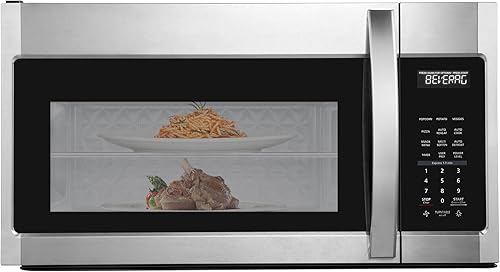


The Three Venting Options
Over-the-range microwaves typically support one of three venting configurations: exterior venting (also called ducted or direct venting), recirculating venting (ductless), or top venting for situations where the duct runs up through cabinets to the exterior. Exterior venting is the most effective because it moves smoke, steam, and cooking odors completely out of your home. Recirculating pulls air through a charcoal filter and pushes cleaned air back into the kitchen, which is a practical solution when running a duct to the outside is not realistic. Top venting routes exhaust up through the cabinet above and out through the roof or wall, and it requires a vertical duct connection at the top of the unit.
Exterior (Ducted) Venting: The Most Effective Choice
If you have an existing duct or can add one, exterior venting is the setup worth working toward. It physically removes grease particles, moisture, and cooking fumes from your kitchen rather than filtering and recirculating them. Most OTR microwaves that support exterior venting can connect either out the back of the unit (horizontal, through an exterior wall) or out the top (vertical, up through the cabinet and out the roof). You will need a duct that is typically 3.25 by 10 inches rectangular or 6 inches round, and a damper at the exterior vent cap to prevent backdrafts. Check your microwave's installation manual for the exact duct size it requires before buying materials.
Recirculating (Ductless) Venting: Best When Ducting Is Not an Option
Recirculating mode is the most common setup in apartments and older homes where running a new duct is too expensive or structurally difficult. The fan draws air through a grease filter, then through a charcoal filter, and returns the cleaned air into the kitchen through vents at the top front of the unit. It handles grease and some odors reasonably well, but it does not remove steam or heat the way exterior venting does. Charcoal filters in recirculating mode need to be replaced every six months to a year depending on how much you cook, so factor that into the long-term cost. This mode usually requires no special setup beyond confirming the charcoal filter is installed, which some units ship with and others require you to purchase separately.
How to Switch Between Venting Modes
Most OTR microwaves ship from the factory set up for recirculating mode because it requires the least installation work. To switch to exterior venting, you typically need to rotate the blower motor housing inside the unit to redirect airflow either toward the back or the top. This step is covered in your installation manual and usually involves removing a few screws, rotating the blower, and securing it in the new position. If you are venting out the back horizontally, you also need to remove a knockout panel on the back of the unit. It is worth doing this before the unit is mounted since access is much easier when the microwave is on a workbench rather than hanging above your range.
Duct Routing and Wall Caps
For horizontal exterior venting through a wall, you will need a wall cap with a built-in damper on the outside of your home. The duct run should be as short and straight as possible because every elbow and extra foot of duct reduces airflow efficiency. Keep the total duct run under 20 feet where possible, and use smooth metal duct rather than flexible foil duct, which traps grease and creates a fire hazard. For vertical venting through the roof, a roof cap with a damper prevents rain and pests from entering. Seal all duct joints with foil tape rather than standard duct tape, which tends to dry out and fail over time.
Clearance and Code Requirements
Most manufacturers and local building codes require at least 30 inches of clearance between the cooking surface of your range and the bottom of the microwave. Some gas ranges with higher BTU burners may call for more clearance, so check both the range and microwave installation guides together. The microwave itself is anchored to the upper cabinet with bolts and to the wall with a mounting bracket that typically comes in the box. Code requirements for exterior penetrations (wall caps, roof caps) vary by municipality, so it is worth a quick check with your local building department before cutting into an exterior wall.
Which OTR Microwaves Handle Venting Well
When choosing a unit, look for models with multiple fan speeds so you can match the ventilation power to your cooking intensity. A 1,000-watt unit with a decent blower will handle everyday cooking, while households that cook frequently at high heat benefit from models with stronger fan motors. The GE JVM3160RFSS is a widely installed 30-inch unit at 1,000 watts with a 1.6 cu ft cavity, and its straightforward design makes it a common choice for standard kitchen remodels. The Frigidaire FFMV1846VS offers a roomy 1.8 cu ft interior at 1,000 watts and is built around a 30-inch standard cutout, fitting most existing cabinet openings. The BLACK+DECKER EM044KB19 adds convection cooking capability in a 1.9 cu ft package, which is useful if you want the microwave to serve more than one cooking function.
Frequently asked questions
Can an over-the-range microwave work without any duct?
Yes. In recirculating mode, the microwave filters air through a charcoal filter and returns it to the kitchen, so no exterior duct is needed. This is a common and perfectly functional setup, especially in apartments or kitchens where adding a duct is not practical. You will need to keep the charcoal filter fresh to maintain performance.
How do I know which venting mode my microwave is currently set to?
The easiest way is to check the installation manual for your specific model, which will describe both the factory default and how to identify the current blower position. Many units have a label or arrow inside the cavity near the blower housing that indicates the direction of airflow. If the microwave is already installed, you can also run the fan and feel where air exits: top front means recirculating, back or top cabinet means exterior.
What size duct does an over-the-range microwave need?
Most over-the-range microwaves require either a 3.25 by 10 inch rectangular duct or a 6-inch round duct, but the exact size varies by model. Always check the installation manual before purchasing duct materials. Using the wrong size will reduce airflow and can void the warranty.
Does venting mode affect cooking performance?
No, the venting mode only affects how the fan handles air quality above your range. Microwave cooking power is determined by wattage, and that stays the same regardless of whether the unit is ducted or recirculating. Both modes allow the exhaust fan to function at all available fan speeds.
Can I vent an OTR microwave into a cabinet instead of outside?
No. You should never vent an OTR microwave into an enclosed cabinet or wall cavity. Exhausting grease-laden air into a confined space creates a serious fire hazard and can cause moisture damage over time. If running a duct to the exterior is not an option, use recirculating mode with a properly installed charcoal filter.