Is a Wall Oven Worth It vs a Range?
Wall ovens look sleek and cook at eye level, but they cost more and require a separate cooktop, here is how to decide if the upgrade makes sense for your kitchen.
If you are remodeling a kitchen or replacing a tired old appliance, you will eventually face this question: should you get a range, or go the wall oven route with a separate cooktop? Both setups can cook the same food just as well, but the right choice depends a lot on how you cook, how your kitchen is laid out, and how much you want to spend. This guide breaks down the real differences so you can pick the option that actually fits your life.

What Is a Wall Oven, Exactly?
A wall oven is a built-in oven that mounts into cabinetry or a wall column at whatever height works best for you, often counter height or slightly above. Unlike a range, it does not include a cooktop; you pair it with a separate cooktop installed in the countertop. Most wall ovens are 24, 27, or 30 inches wide and are available in electric or gas versions. Because they sit flush with your cabinets, they tend to look very clean and integrated compared to a freestanding range.
The Big Advantage: Ergonomics and Kitchen Layout
The most practical reason people choose a wall oven is that you never have to bend down to check on a roast or pull a heavy casserole dish out of a low cavity. At eye or waist level, loading and unloading is far easier on your back. Wall ovens also free up floor space and let you position the cooktop wherever it makes the most sense in your layout, which is a big deal in galley or open-plan kitchens. If you regularly cook for a crowd, you can also pair a single wall oven with a warming drawer or a microwave combo unit in the same cabinet stack.
Where a Range Still Wins
A freestanding range combines oven and cooktop in one footprint, which makes it simpler and less expensive to buy, install, and replace. A standard 30-inch range runs anywhere from a few hundred dollars to well over a thousand, and you only need one appliance slot and one utility connection. If your kitchen was designed around a range, switching to a wall oven plus separate cooktop often means cabinet modifications, additional electrical work, and a bigger overall budget. For renters, apartments, or anyone on a tight budget, a range is almost always the smarter choice.
Cost Comparison: Upfront and Installation
A decent wall oven generally starts around $500 to $600 on the low end, for example, the Empava 24-inch Electric Convection Single Wall Oven lists around $600 and offers 2.3 cu ft of capacity with convection heating. A comparable freestanding electric range often costs less and is simpler to install because it just slides into an existing cutout. When you add a separate cooktop to the wall oven, total appliance spend can climb quickly. On top of that, if your cabinets need modification or you need a new 240-volt circuit run, installation costs can add several hundred dollars more.
Cooking Performance: Any Real Difference?
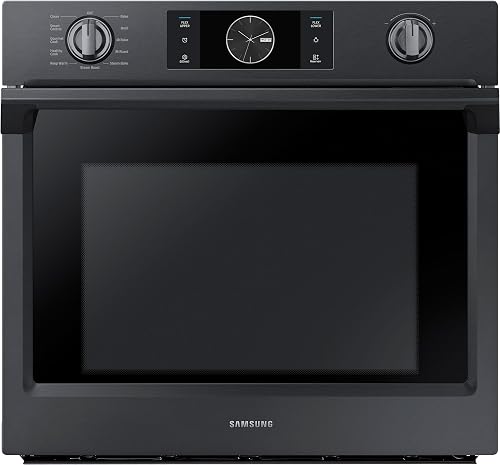
Honestly, a wall oven and the oven in a quality range perform very similarly for everyday cooking. Both use the same heating elements, the same convection fans, and the same temperature controls. Where wall ovens sometimes have an edge is in capacity relative to their external dimensions, since there is no cooktop sitting on top taking up internal space. The Samsung single wall oven in the 30-inch class, for example, offers 5.1 cu ft of capacity, which gives you plenty of room for large roasting pans. If baking precision matters to you, look for a model with convection, as the circulating air gives more even results regardless of whether it is in a wall oven or a range.
Who Should Get a Wall Oven?
Wall ovens are a strong pick for homeowners doing a full kitchen remodel who want a custom, built-in look and already plan to buy a separate cooktop. They are also a great fit for anyone with back problems or mobility limitations who finds bending to a floor-level oven painful. Avid bakers who want the most oven capacity possible, or cooks who host frequently and want the flexibility of stacking a wall oven above a warming drawer, also tend to find the investment worthwhile. If you already have the cabinetry, the electrical circuit, and the budget, the day-to-day experience is genuinely more comfortable.
Who Should Stick With a Range?
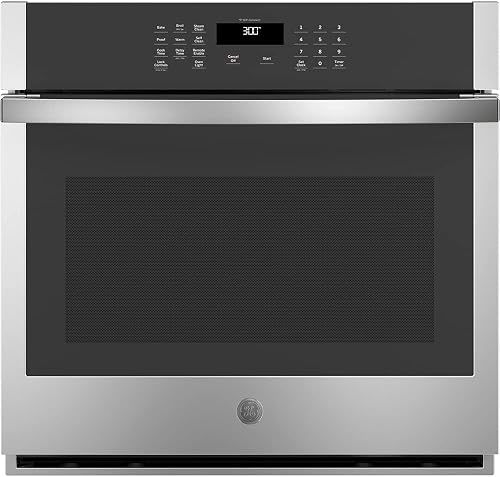
If you are replacing an existing range in a kitchen that was built around one, staying with a range is almost always the easier and more cost-effective path. Renters, first-time buyers, and anyone remodeling on a budget will get far more value from a quality freestanding range than from spending the same money on a wall oven that still needs a cooktop to go with it. Ranges are also easier to replace years down the road without touching cabinetry. The GE JTS3000SNSS, rated 4.3 stars, shows that you can get a well-reviewed 5.0 cu ft convection wall oven at around $1,088, but factor in the cooktop cost before comparing that to an all-in-one range.
Frequently asked questions
Do wall ovens require special wiring?
Most electric wall ovens run on a 240-volt circuit, which is the same voltage a standard electric range uses. If your kitchen already has a range, you likely have that circuit available. Gas wall ovens also need a 120-volt outlet for the igniter and controls, plus a gas line. If neither is in the right spot for the wall oven location, you will need an electrician or plumber to run new lines, which adds to your installation cost.
Can a wall oven fit in existing cabinets?
It depends on the cutout dimensions. Most wall ovens are designed for standard 24, 27, or 30-inch cabinet openings, but each model has a specific minimum cutout size. Measure your opening carefully and compare it to the oven's installation specifications before buying. In many kitchens, the cutout is close but needs a small trim modification, which a carpenter can usually handle in an afternoon.
Is a wall oven better than a range for baking?
Not inherently. Both wall ovens and range ovens can bake exceptionally well, especially with a convection fan. The bigger factors are oven size, calibration accuracy, and whether the model you choose maintains a steady temperature. A well-built range oven bakes just as well as a comparably priced wall oven.
What size wall oven do I need?
The most common wall oven sizes are 24, 27, and 30 inches wide. A 24-inch model is typical for smaller kitchens or apartments, while 30-inch models offer more interior capacity and are the most popular choice for family cooking. Measure your cabinet opening first, then match the oven to the cutout dimensions listed in the product specs.
How long does a wall oven last?
A well-maintained wall oven typically lasts 15 to 20 years, which is similar to a quality range. The main maintenance items are keeping the door gasket in good shape, occasionally replacing a heating element, and cleaning regularly to avoid baked-on buildup that can stress components. Built-in models are harder to swap out than freestanding ranges when something goes wrong, so brand reputation and warranty terms matter.