Standard Wall Oven Sizes: What You Need to Know Before You Buy
Wall ovens come in three common widths, and picking the wrong one means a costly cabinet rebuild.
Wall ovens free up counter space and give your kitchen a clean, built-in look, but they only work if the size matches your cabinet cutout exactly. Unlike ranges, you cannot simply slide a wall oven in and adjust later. Manufacturers build to three standard widths, and understanding those dimensions before you shop will save you a lot of headaches during installation.

The Three Standard Wall Oven Widths
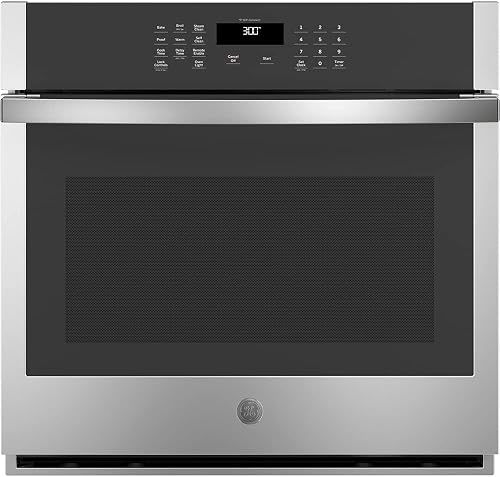
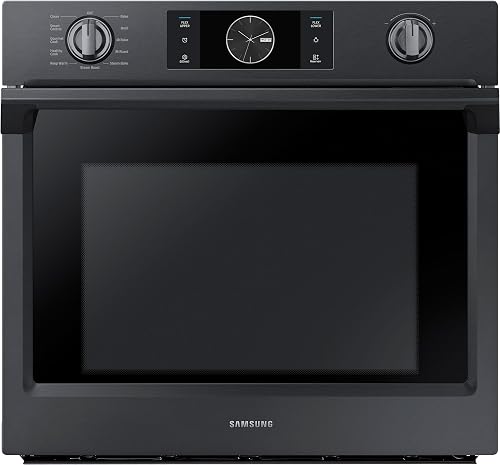
Single wall ovens are sold in 24-inch, 27-inch, and 30-inch widths, measured across the front face of the appliance. The 30-inch is by far the most common in American kitchens and offers the largest interior capacity, typically around 4.6 to 5.0 cubic feet. The 27-inch is a middle option that fits older homes and European-style cabinetry. The 24-inch is the compact choice, usually landing around 2.3 to 2.5 cubic feet of usable space, and it suits smaller kitchens, condos, and RV-style installations.
Oven Width vs. Cabinet Cutout Size
The oven's listed width is the face width, not the cutout dimension you need to frame in your cabinet. The cabinet cutout is always a few inches smaller than the face width to allow the trim ring to overlap the cabinet opening and create a finished look. For a 30-inch oven, a typical cutout runs about 28.5 to 29 inches wide. For a 24-inch oven, you are usually looking at roughly 22.5 to 23.5 inches. Always check the installation spec sheet for the exact cutout width, height, and depth before ordering cabinets or buying the oven.
Height and Depth Matter Too
Width gets most of the attention, but height and depth are just as important. Most single wall ovens are designed to fit into a 27- to 29-inch tall cabinet opening, though some models run taller. Depth requirements typically fall between 22 and 24 inches, so a standard 24-inch-deep cabinet works for most ovens. If you are replacing an existing unit, measure the current cutout height and depth carefully, because swapping brands can mean the cutout dimensions shift by an inch or two.
How to Measure Your Existing Cutout
Start by removing the old oven or opening the cabinet fully. Measure the width of the opening at the widest point, then measure the height from the bottom of the frame to the top. For depth, measure from the front edge of the opening back to the wall or any obstruction behind. Write down all three numbers and compare them against the new oven's installation guide, not the product page, since product pages often show face dimensions only. Give yourself at least a quarter inch of wiggle room on each side so the oven slides in without forcing.
Capacity: What the Cubic Feet Actually Mean
Interior capacity tells you how much food fits in the oven at once, and it matters more than people expect. A 30-inch electric wall oven typically delivers around 4.6 to 5.1 cubic feet, which comfortably handles a large turkey, a sheet pan, and a casserole dish side by side. A 24-inch oven at roughly 2.3 to 2.5 cubic feet is enough for everyday meals but will struggle with a full holiday spread. If you cook for a large family or entertain often, size up to the 30-inch if your cabinet space allows.
24-Inch vs. 30-Inch: Which One Should You Choose?
The 24-inch makes sense if your kitchen is compact, you are doing a like-for-like replacement, or you want a wall oven in an island or peninsula where space is tight. The 30-inch is the right pick for most households that do any serious cooking, simply because the extra capacity is useful week after week. The 27-inch tends to be a replacement-only option today since fewer manufacturers produce them and the selection is limited. Unless your cutout is already framed for 27 inches, you are generally better off choosing between 24 and 30.
Electric vs. Gas and How Fuel Type Affects Installation
Most wall ovens are electric and require a dedicated 240-volt circuit. Gas wall ovens are less common but do exist for kitchens that prefer gas heat or that are off the electrical grid and rely on propane. A 24-inch gas unit typically needs a 120-volt outlet for ignition and controls alongside the gas line. Confirming your kitchen's utility connections before you buy is just as important as getting the dimensions right, since adding a new 240-volt circuit or running a gas line to a new location adds significant cost and time to the project.
Frequently asked questions
Can I put a 30-inch wall oven in a 27-inch cutout?
No, the face widths are not interchangeable and the cutout dimensions are different for each size. Fitting a 30-inch oven into a 27-inch opening would require cabinet modifications to widen the frame. If you want to switch sizes, budget for cabinetry work as part of the project.
Are all 24-inch wall ovens the same cutout size?
Not exactly. While most 24-inch wall ovens share similar cutout widths in the 22.5 to 23.5 inch range, height and depth requirements vary by brand and model. Always pull the installation guide for the specific oven you are considering and verify all three dimensions against your cabinet opening.
Do wall ovens come in sizes smaller than 24 inches?
A handful of specialty compact models exist in widths like 20 or 22 inches, but they are uncommon and the selection is very limited. For most buyers, 24 inches is effectively the smallest practical option with a reasonable number of models to choose from.
How do I know if my current electrical service supports a wall oven?
Electric wall ovens typically require a 240-volt, 30- to 50-amp dedicated circuit. Check your breaker panel for an available double-pole breaker in the right amperage range. If the circuit is not there, an electrician will need to add one before installation.
Does oven capacity change between brands for the same size?
Yes, capacity can vary a few tenths of a cubic foot even among 30-inch models from different brands. Frame shape, door design, and interior layout all affect usable space. Check the listed cubic footage for each specific model rather than assuming all ovens of the same width are identical inside.