Why Does My New Oven Smell Like Burning (And Is It Normal)?
That acrid smell from your brand-new oven is almost always harmless, here is exactly what is happening and how to clear it fast.
You just got a new oven, ran your first preheat, and now the kitchen smells like something is on fire. Before you call the store or check the warranty paperwork, take a breath, this is one of the most common questions new oven owners have, and the answer is almost always reassuring. Most new ovens produce a strong burning or chemical odor during the first few uses, and it clears up on its own within a short time. Knowing what causes it (and what the red flags actually look like) will save you a lot of unnecessary worry.
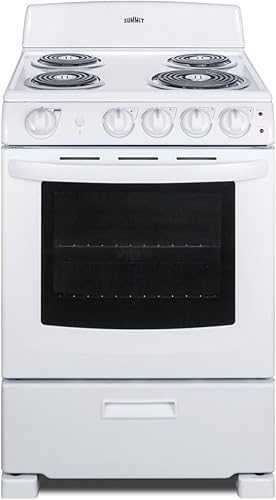


The Most Common Cause: Factory Coatings Burning Off
New ovens are coated with protective oils and residues at the factory to prevent rust and surface damage during shipping and storage. When you first heat the oven, those coatings vaporize, and that is what you are smelling. It is not harmful in small amounts, but it can be unpleasant and may briefly trigger a sensitive smoke detector. The smell is most intense during the first one or two uses and fades quickly after that. Both electric and gas ranges go through this same break-in process.
Insulation Off-Gassing
The insulation packed around the oven cavity also needs to cure the first time heat is applied. This off-gassing has a faintly chemical or plastic-like smell that is distinct from a food-burning odor. It is completely normal and is not a sign of a defect. Most manufacturers acknowledge this in their installation guides and recommend running an initial burn-off cycle before cooking food. The insulation odor typically disappears after one or two complete heat cycles.
How to Do a Burn-Off Cycle the Right Way
Open windows and turn on your range hood or kitchen exhaust fan before you start. Set the oven to its highest temperature setting, usually around 500 degrees Fahrenheit, and let it run for 30 to 60 minutes with nothing inside. Keep children and pets away from the kitchen during this process, as the smell and any light smoke can be irritating. After the cycle, leave the oven door cracked open and let the cavity cool with fresh air moving through it. Most of the odor should be gone or dramatically reduced after this step.
Other Possible Sources of the Smell
Sometimes the smell is not from the oven itself but from nearby materials. Packaging foam or cardboard tucked around the range during delivery can fall behind or underneath the unit. Adhesive labels or protective plastic film left on the exterior can also burn when the oven heats up. Before running the first cycle, check inside the oven cavity, the broiler drawer, and along the exterior sides for any stickers, plastic wrap, or packing materials you may have missed.
When the Smell Is Actually a Problem
A normal break-in smell is a dry, faintly chemical or oily odor that fades after the first few uses. If you smell gas at any time near a gas range, that is not a break-in smell, turn off the burners, leave the house, and call your gas company. A sharp electrical burning or melting-plastic smell that persists past the first couple of uses could point to a wiring issue and is worth a call to the manufacturer. Visible smoke that is heavy and ongoing rather than a light wisp is also a reason to stop using the oven and contact support.
How Long Does the Smell Last?
For the vast majority of new ovens, one thorough burn-off cycle is enough to eliminate most of the odor. You may notice a faint trace during the second or third use at high temperatures, but it should be mild and brief. If the strong smell persists beyond three or four full cooking sessions, check the oven for any remaining packaging, and reach out to the manufacturer just to confirm there is nothing else going on. Most brands have a customer support line specifically for setup questions like this.
Tips for Clearing the Smell Faster
Ventilation is the single most effective tool, open windows across from each other to create a cross-breeze while the burn-off cycle runs. Placing a shallow bowl of white vinegar on the bottom rack during the cycle can help absorb odors, though you should remove it before cooking actual food. Wiping down the interior surfaces with a damp cloth after the oven cools also removes any residue that might continue to off-gas on subsequent uses. Avoid using commercial oven cleaners inside a brand-new oven, as these can damage the factory coating before it has a chance to fully cure.
Frequently asked questions
Is it safe to cook food in a new oven that smells like burning?
It is best to run a burn-off cycle first before cooking food. The residue that causes the smell is harmless in small amounts, but you do not want it coating your food. One empty heat cycle at high temperature is usually enough to clear it, and then the oven is ready for normal use.
My new oven is smoking a little. Is that normal?
Light wisps of smoke during the first heat cycle are common and expected. They come from the same factory coatings and insulation off-gassing that causes the smell. As long as the smoke is light and brief, it is part of normal break-in. Heavy or continuous smoke is not normal and warrants a call to the manufacturer.
How do I know if the smell is a gas leak?
Natural gas and propane have a distinctive rotten-egg odor added to them specifically so people can detect leaks. If you smell that sulfur-like odor near a gas range, that is completely different from the break-in smell of a new oven. Do not attempt to diagnose it yourself, leave the area and call your gas utility immediately.
Does a new electric range also smell like burning?
Yes, electric ranges go through the same break-in process as gas models. The heating elements themselves may also produce a mild odor the first time they reach full temperature. Running the same burn-off cycle recommended for gas ranges works equally well for electric models.
Will the smell affect the taste of food I cook afterward?
After a proper burn-off cycle, there should be no lingering effect on food flavor. If you skip the burn-off and cook immediately, some people report a faint off-flavor, especially with mild dishes. Taking the 30 to 60 minutes to do the initial cycle properly is worth it.