Why Is My Microwave Not Heating? Common Causes and Fixes
A microwave that hums but leaves food cold is almost always one of a handful of fixable problems.
You put in your leftovers, the turntable spins, the light comes on, the timer counts down, and then you open the door to stone-cold food. A microwave that runs without heating is one of the most common appliance complaints, and it can feel mysterious because the machine seems to be working fine from the outside. The good news is that most of the time the cause is something straightforward, and a little troubleshooting can tell you quickly whether this is a DIY fix or a sign it is time for a new unit.
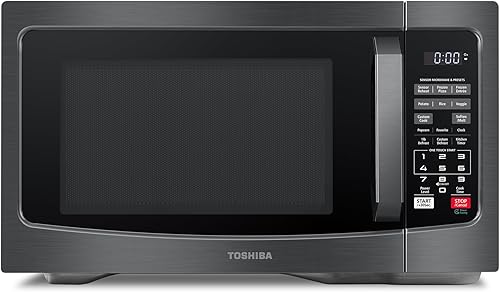


The Most Likely Cause: A Blown Door Interlock Switch
Microwaves have two or three small switches inside the door latch assembly that tell the appliance it is safe to generate microwave energy. If even one of these interlock switches fails, the microwave will run normally in every other way but will not produce any heat. Door switches are one of the most common failure points on any countertop microwave, and they take a beating every time you close the door. Replacing a door switch is a repair a handy homeowner can tackle, but it does require unplugging the unit and discharging the capacitor, which stores a charge even when unplugged. If you are not comfortable working inside appliances, this is a good job for a repair tech.
Check the Child Lock and Control Settings First
Before assuming anything is broken, rule out a settings issue. Many microwaves have a child lock or demo mode that disables cooking functions while keeping the display and lights working. Look for a lock icon on the display, or check your owner's manual for how to disable demo mode, which is sometimes activated accidentally in stores and never turned off. Also make sure the power level is not set to zero, since some models remember the last power level used. These are easy to overlook and cost nothing to fix.
A Faulty High-Voltage Diode
The high-voltage diode converts the power from the transformer into the direct current that the magnetron needs to generate heat. When the diode fails, the microwave will often make a loud humming sound and run without heating. You may also notice the unit tripping your circuit breaker. Diodes are inexpensive parts, but because they sit in the high-voltage circuit of the microwave, replacing one carries a real safety risk if you are not experienced with appliance repair. The capacitor in a microwave can hold a lethal charge even after the unit is unplugged, so this repair is best left to a professional.
The Magnetron May Have Failed
The magnetron is the component that actually produces the microwave energy that heats your food. Magnetrons do wear out over time, especially in units that have seen heavy daily use over many years. Signs of a failing magnetron include a burning or unusual smell during operation, a loud buzzing or humming noise, or the unit simply not heating despite everything else seeming normal. A magnetron replacement is expensive, often costing nearly as much as a new mid-range countertop microwave, so if this component is the culprit, it is worth comparing the repair cost against just buying a replacement unit.
Thermal Cutout or Thermoprotector Has Tripped
Microwaves have one or more thermal cutouts that shut off the magnetron if the unit gets too hot, which can happen if the ventilation vents are blocked or the microwave ran for an unusually long time. Sometimes these cutouts reset on their own after the unit cools down, but other times they blow permanently like a fuse and need to be replaced. If your microwave suddenly stopped heating after a long cooking session or after you noticed it running unusually warm, this is a likely cause. Make sure the area around your microwave has adequate clearance for airflow, especially if it sits in a cabinet or tight space.
When to Repair vs. When to Replace
A general rule of thumb is that if a repair will cost more than half the price of a comparable new unit, replacement is the smarter move. Door switch repairs are typically affordable and worth doing on a unit you like. Magnetron replacements on budget models rarely make financial sense. If your microwave is more than eight to ten years old and has stopped heating, the honest answer is that a new unit will likely serve you better and more reliably than a repaired older one. Modern countertop microwaves offer better wattage consistency, more power levels, and improved reliability compared to older designs.
What to Look for in a Replacement
If you decide to replace rather than repair, wattage is the single biggest factor in cooking performance. Models in the 1000 to 1200 watt range heat food more quickly and evenly than lower-wattage units. Look for at least 10 power levels, which gives you much more control for tasks like defrosting or melting chocolate. Turntable size matters if you regularly heat large plates or bowls. A 1.0 to 1.3 cubic foot interior is a comfortable size for most households without taking up excessive counter space.
Frequently asked questions
Why does my microwave turn on but not heat the food?
The most common reasons are a failed door interlock switch, a blown high-voltage diode, or a failed magnetron. The door switch is the most frequent culprit and is usually the most affordable to repair. Check first that child lock or demo mode is not active, since those can mimic a heating failure.
Is it safe to use a microwave that is not heating?
A microwave that runs without generating heat is not dangerous to be near in the way a heating microwave would be, but you should still unplug it when not in use and avoid running it repeatedly while it is broken. Continuing to run a faulty unit can sometimes cause secondary damage to other components.
Can a microwave be fixed if it is not heating?
Yes, in many cases a non-heating microwave can be repaired. Door switch replacements are straightforward and relatively low-cost. Diode and thermal cutout replacements are also feasible but carry safety considerations because of the high-voltage capacitor. Magnetron failure is repairable but expensive, and on older or lower-cost models, replacement is often the better call.
How long should a countertop microwave last?
Most countertop microwaves are designed for roughly seven to ten years of normal household use. Heavy daily use, blocked ventilation, and running the unit empty can shorten that lifespan. If your microwave is approaching or past ten years and develops a heating problem, it is a good time to start shopping for a replacement.
What wattage microwave do I need to replace my old one?
For most households, 1000 to 1200 watts is the sweet spot. Units in that range heat food quickly and evenly without being oversized. Budget models often land at 700 to 900 watts, which works fine for simple reheating but can feel slow for defrosting or cooking. If your old microwave felt underpowered, stepping up to 1000 watts or more will make a noticeable difference.